Menu
Destinations
Immerse yourself in raw, unexplored terrains featuring breathtaking waterfalls, unique tribal cultures, and exotic wildlife.
Immerse yourself in raw, unexplored terrains featuring breathtaking waterfalls, unique tribal cultures, and exotic wildlife.
The Northeast region represents the country's most pristine frontier. From the mystical living root bridges and cascading waterfalls of Meghalaya to the rhinos of Kaziranga in Assam and the sweeping valleys of Arunachal Pradesh, this is an immersive paradise for the modern explorer.
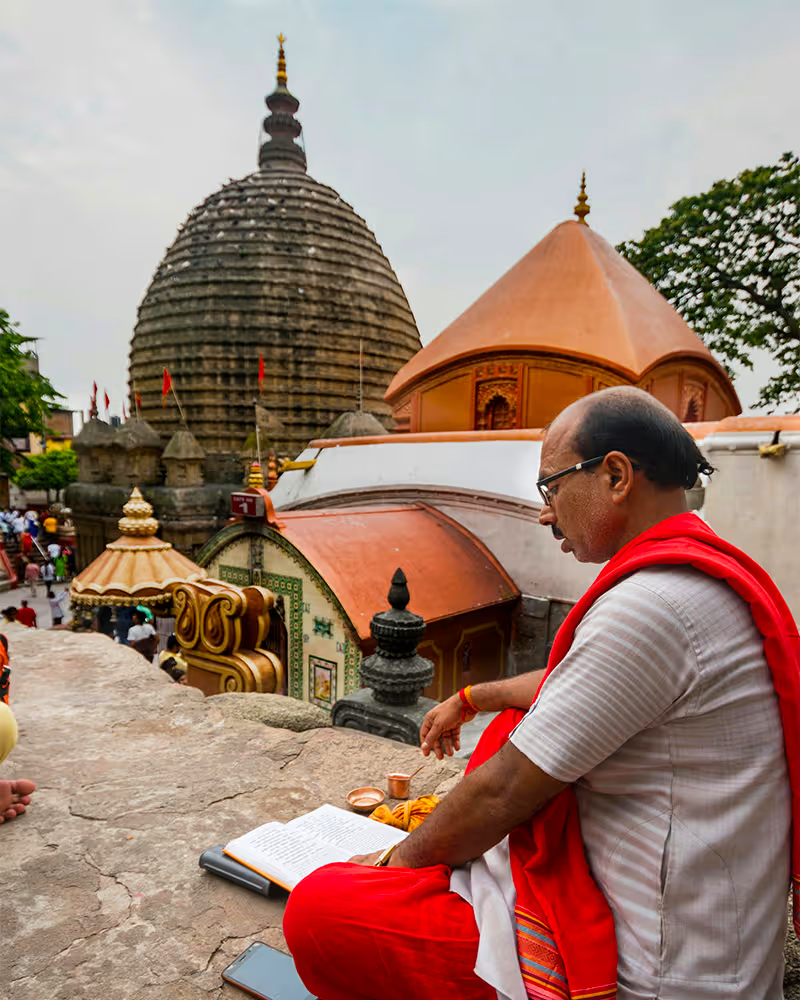
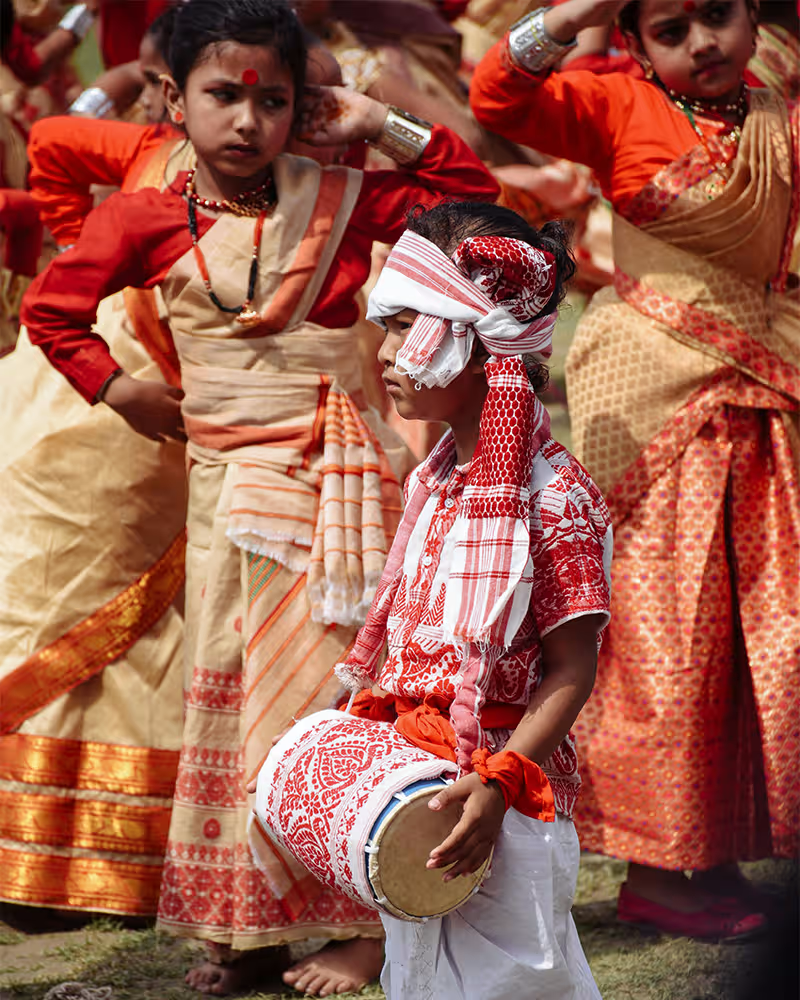
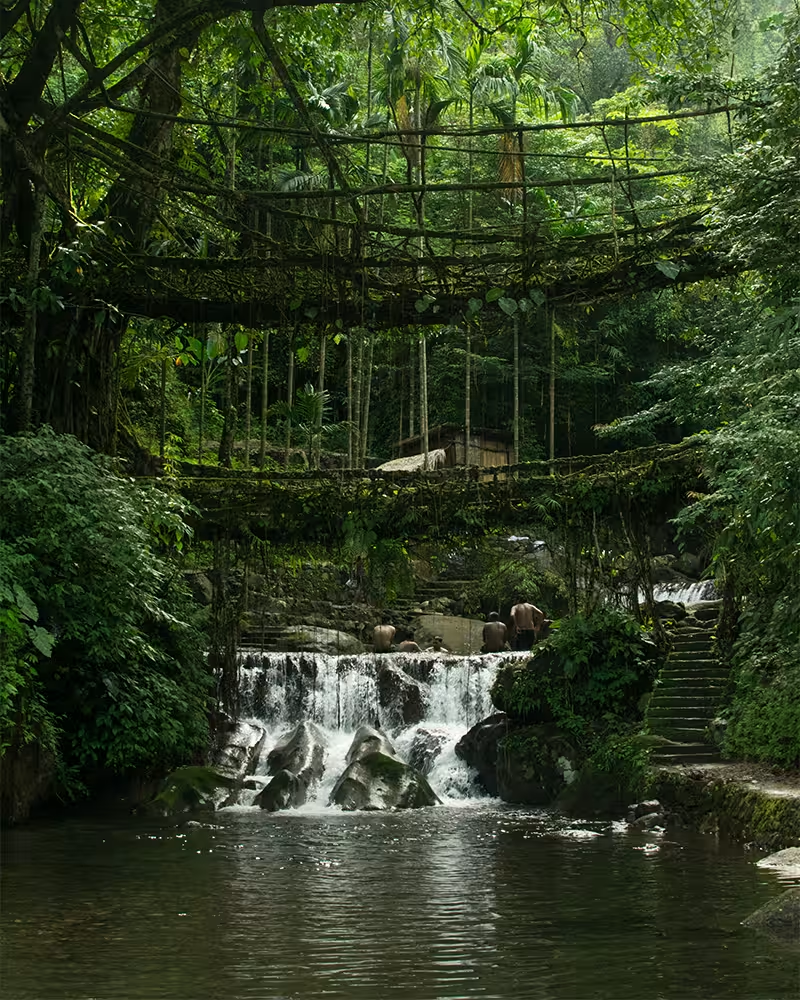
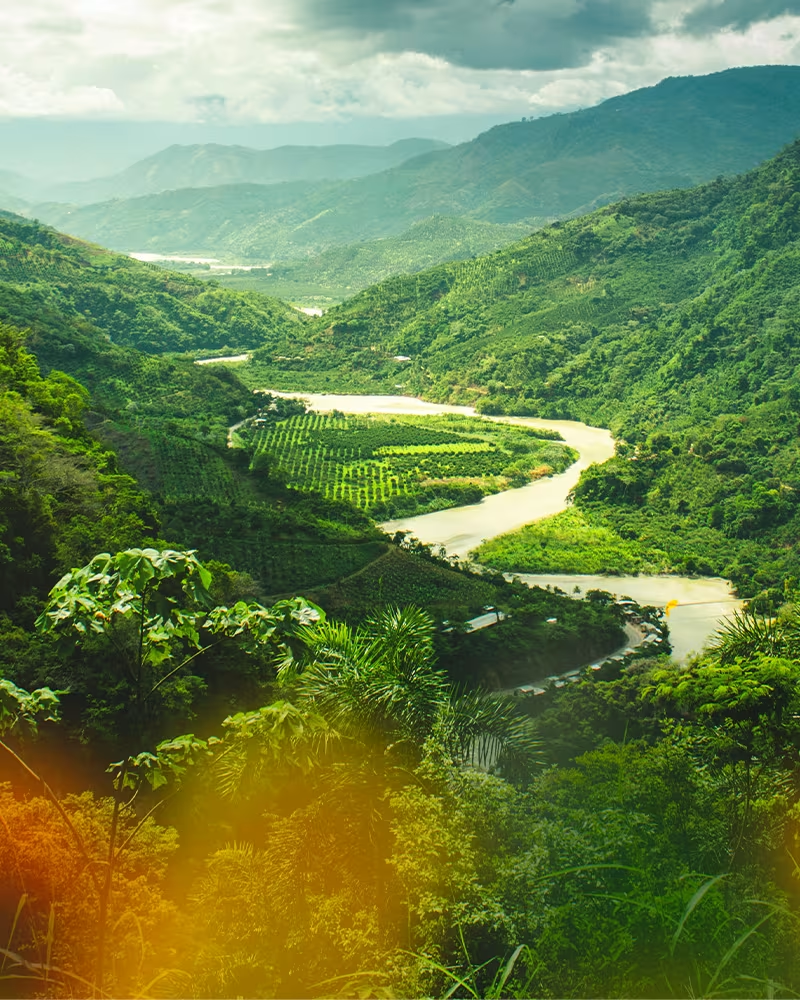
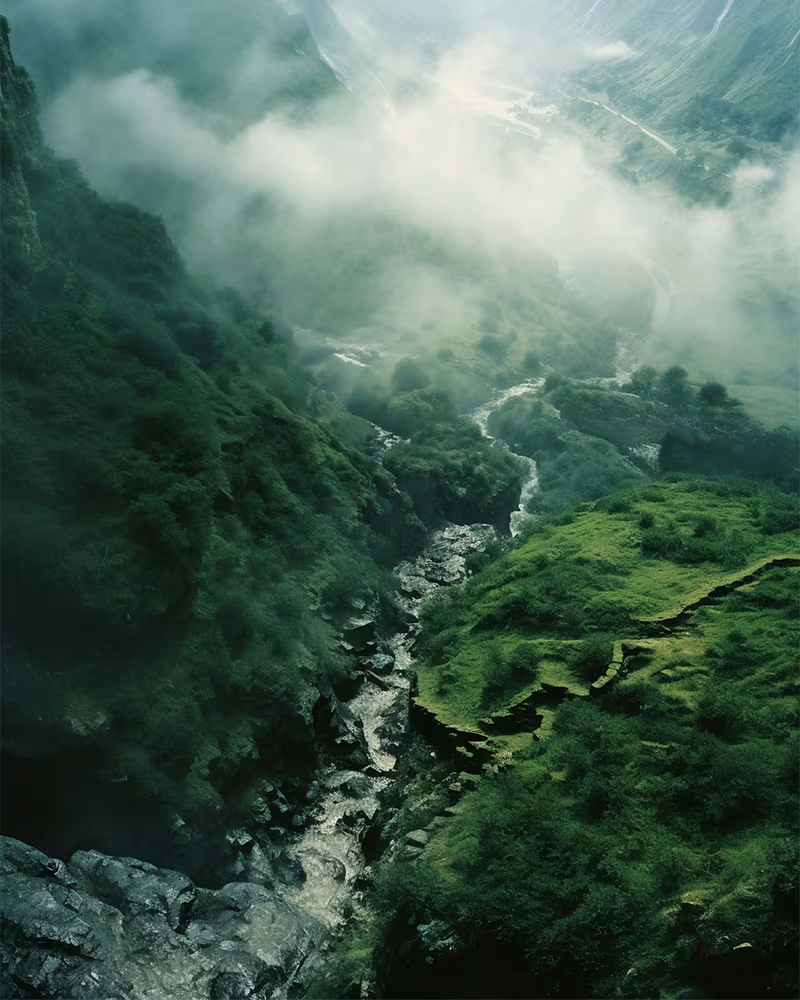
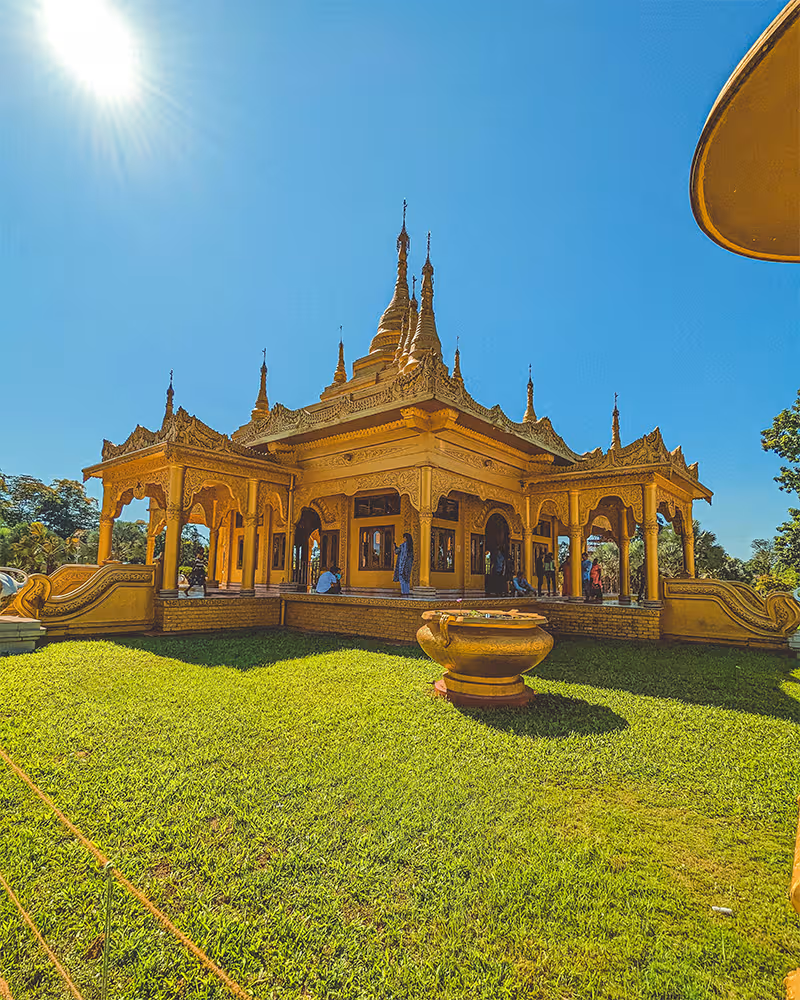
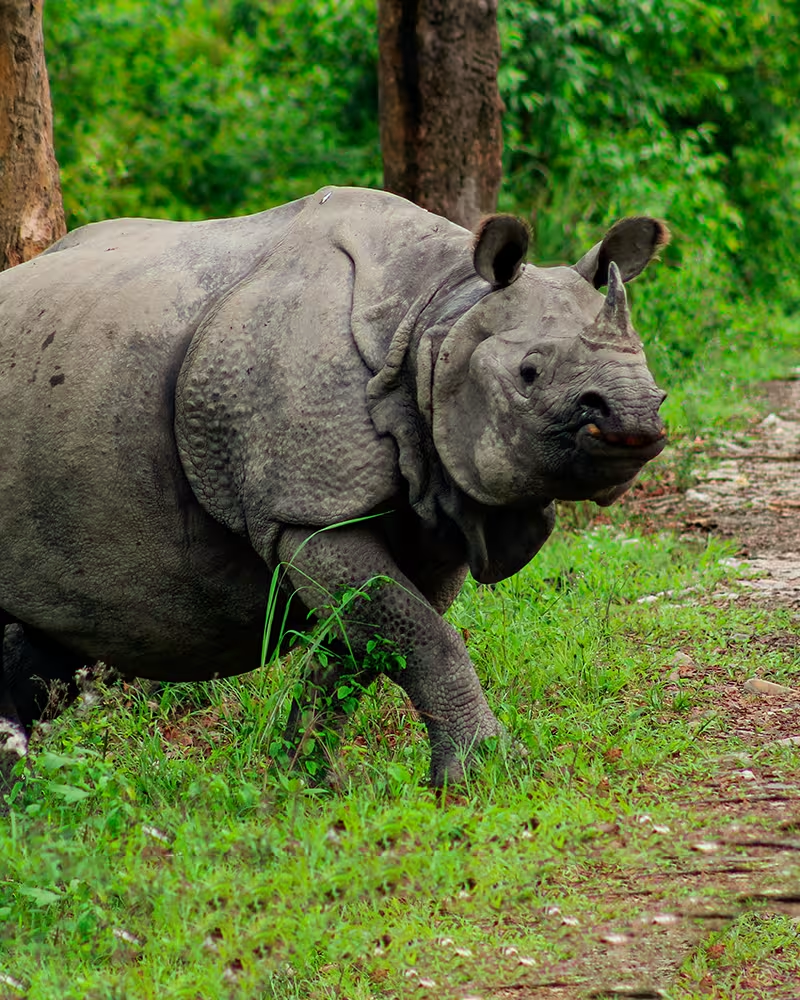
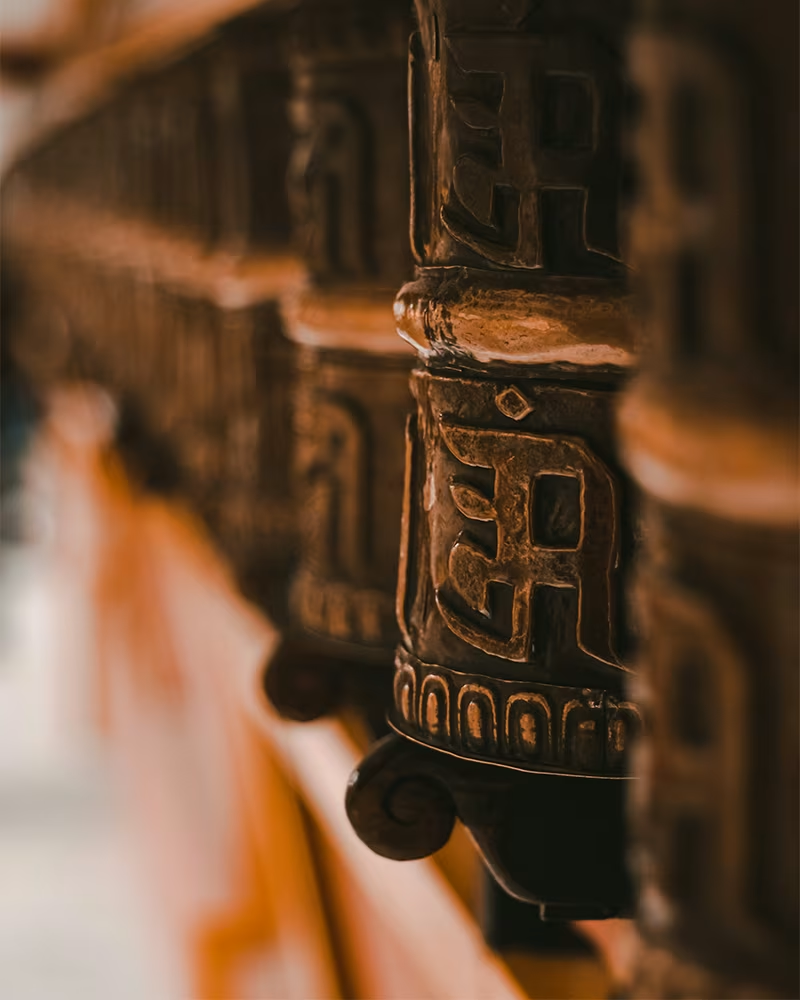


Discover a world untouched by mass tourism. Trek through emerald green hills where living root bridges whisper tales of ancient engineering. Witness the mighty Brahmaputra carving its path through mist-laden valleys. From the cultural heart of Assam to the spiritual serenity of Arunachal, North East is a journey for the soul.
Planning a trip to India's most mystical frontier requires careful preparation and local insight. From securing the right border permits to navigating high-altitude mountain passes, we've gathered the most common questions travelers ask us to help you build the perfect itinerary.
A North East India overview highlights a region of unparalleled ecological diversity and deep tribal heritage. Comprising the "Seven Sister" states and Sikkim, the region is completely distinct from mainland India. It features the wettest places on earth in Meghalaya, the sprawling tea estates and wildlife reserves of Assam, and the snow-capped Himalayan frontiers of Arunachal Pradesh. The culture is deeply rooted in nature, offering unspoiled landscapes, ancient living root bridges, and vibrant indigenous festivals.
The absolute best time to visit North East India is from October to April. Post-monsoon, the landscape is exceptionally green, and waterfalls are at their peak flow. The winter months (December to February) offer crisp, clear skies ideal for spotting the Himalayas from Tawang or enjoying wildlife safaris in Kaziranga, though high-altitude areas will be freezing. Summer (April to June) is pleasant in the hills, while the intense monsoon season is generally avoided due to landslides.
Yes, Permits and ILP information is critical. Indian citizens require an Inner Line Permit (ILP) to enter Arunachal Pradesh, Nagaland, and Mizoram. Foreign nationals require a Protected Area Permit (PAP) or Restricted Area Permit (RAP) for specific border regions like Tawang in Arunachal Pradesh and parts of Sikkim. However, states like Assam and Meghalaya do not require any entry permits for domestic tourists. Always arrange permits weeks in advance of your travel dates.
Because of the vast distances and winding mountain roads, ideal trip duration requires serious itinerary planning. You cannot cover the entire region in one trip. A focused Meghalaya trip requires 5 to 6 days. An Assam and Meghalaya combination needs 7 to 8 days. If you are venturing into Arunachal Pradesh to visit Tawang, you will need a minimum of 8 to 10 days just for that specific state to allow for acclimatization and travel time.
A true Meghalaya travel guide focuses on the "Abode of Clouds." Your journey will usually start in the capital, Shillong, known for its colonial charm and cafe culture. The real magic, however, lies in the deep valleys. You will trek to ancient Living Root Bridges engineered by the Khasi tribe, explore massive limestone cave systems, and stand at the edge of plunging gorges in Cherrapunji.
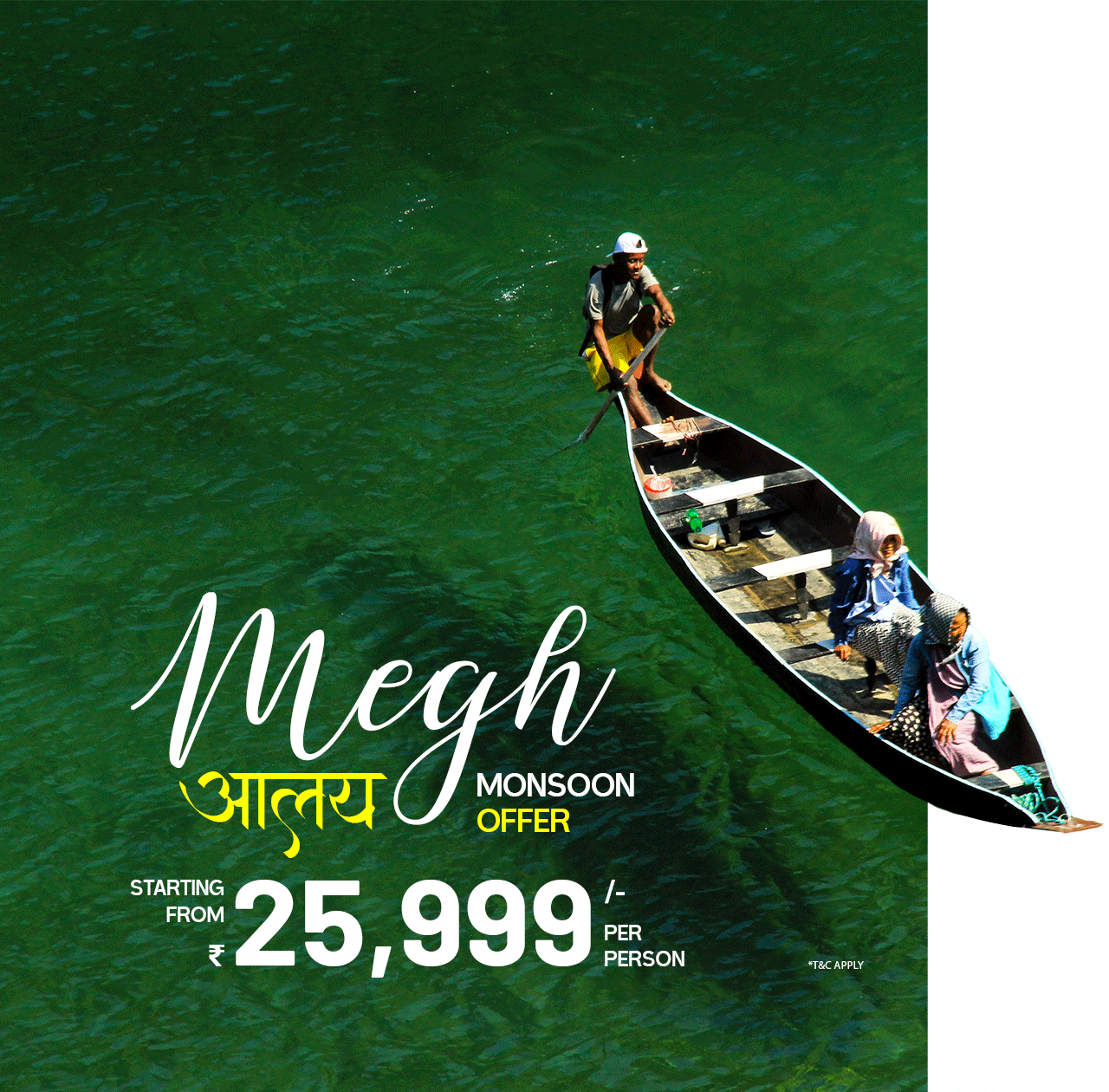
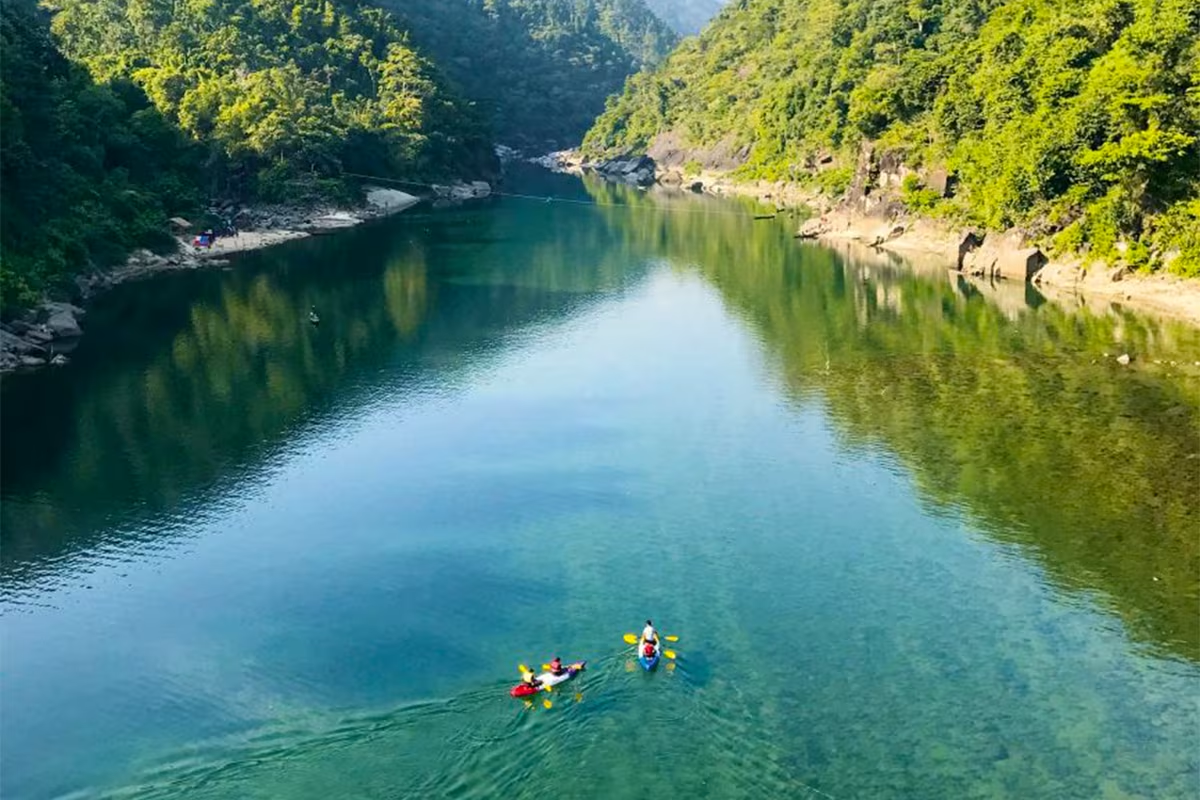
Yes, the Dawki and Shnongpdeng experience on the Umngot River is surreal. During the winter and spring months (November to April), the river water becomes so crystal clear that the local boats appear to be floating in mid-air above the riverbed. You can enjoy boating, cliff jumping, and riverside camping. However, note that during the monsoon, the water turns muddy, losing its famous transparency.
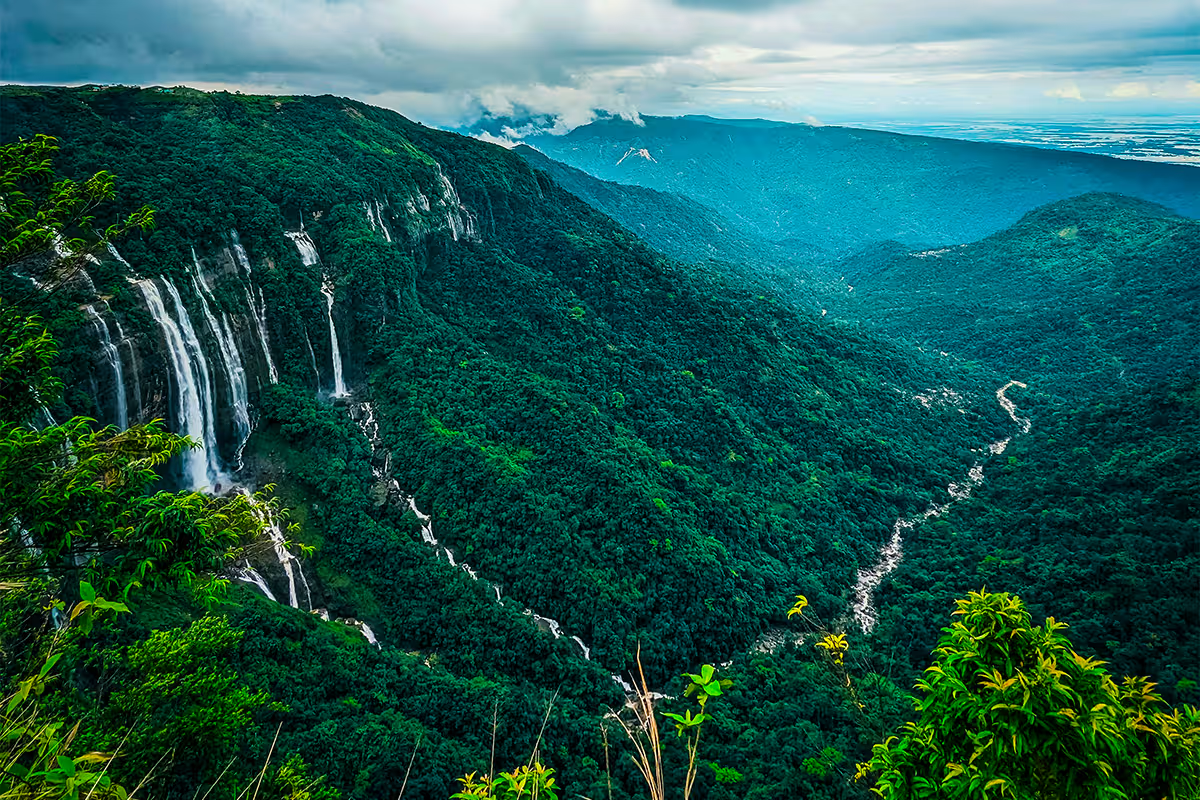
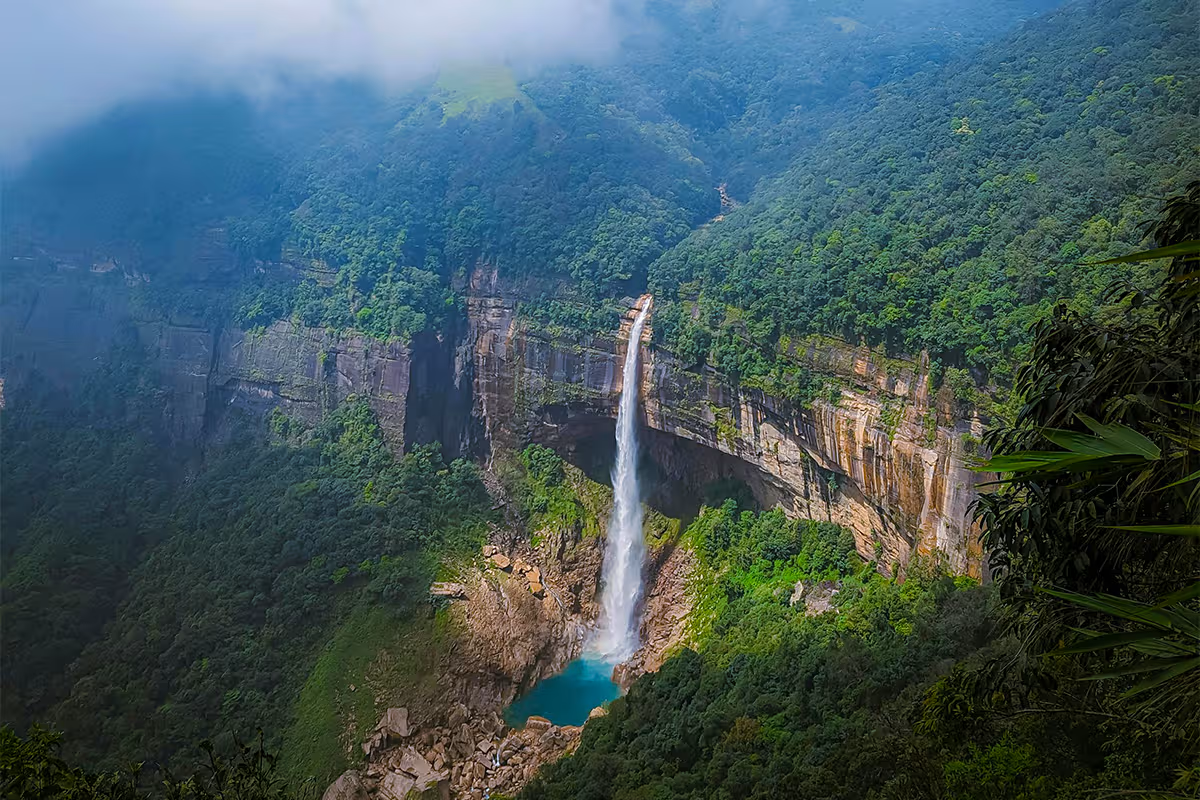
Cherrapunji (Sohra) is legendary for being one of the wettest places on earth. The Cherrapunji and waterfalls experience is unmatched, featuring the dramatic Nohkalikai Falls (the tallest plunge waterfall in India) and the Seven Sisters Falls. Beyond waterfalls, it is the base camp for the challenging but deeply rewarding trek down to the Double Decker Living Root Bridge in Nongriat village.
An Assam travel guide centers around the mighty Brahmaputra River. It is the commercial and logistical gateway to the entire North East. Travelers come to Assam for its sprawling, aromatic tea estates in Jorhat, the ancient Ahom kingdom ruins in Sivasagar, and river cruises on the Brahmaputra. It offers a much flatter, tropical landscape compared to the surrounding high-altitude states.
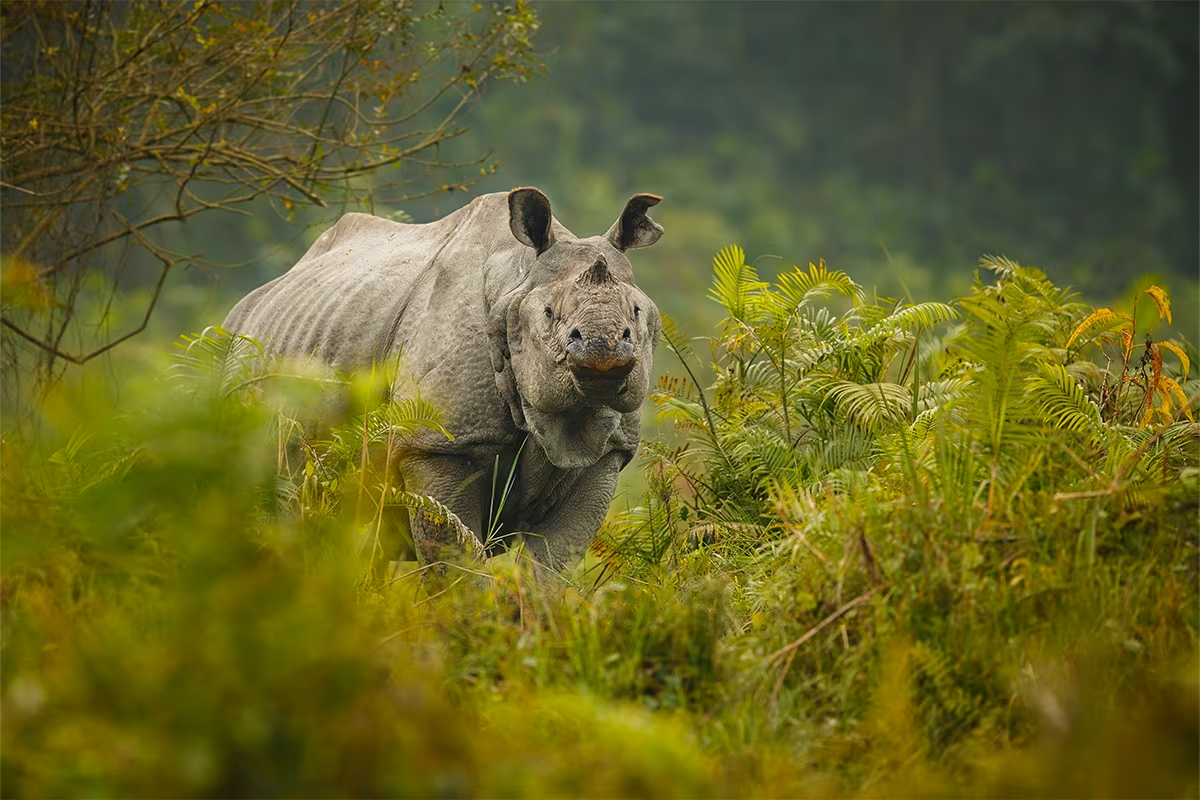
Kaziranga National Park, a UNESCO World Heritage site famous for the Great Indian One-Horned Rhinoceros, is typically open from November to late April. The absolute best time for a jeep or elephant safari is between December and March when the elephant grass has dried out, offering maximum visibility for spotting rhinos, wild water buffalo, elephants, and occasionally the elusive Bengal Tiger. The park closes entirely during the monsoon floods.
An Arunachal Pradesh travel guide must emphasize ruggedness. It is the "Land of the Dawn-Lit Mountains." Travel here is an expedition. You will face long drives on military-maintained roads, extreme altitudes, and freezing temperatures. However, you are rewarded with untouched alpine lakes, massive Buddhist monasteries, and deep tribal valleys like Ziro, home to the fascinating Apatani tribe.
Absolutely. Tawang travel information always highlights the grueling 2-day drive from Guwahati via the Sela Pass (13,700 feet), but the destination is magical. It is home to the Tawang Monastery, the largest Buddhist monastery in India and second largest in the world. The serene Madhuri Lake and the powerful Jaswant Garh War Memorial make the arduous journey through the high Himalayas completely worthwhile.
Family trips are highly recommended for Assam and Meghalaya. These states offer well-paved roads, comfortable premium resorts, and easy access to attractions like tea gardens, boating in Dawki, and easy viewpoints in Cherrapunji. However, Arunachal Pradesh or deep Nagaland are generally not recommended for families with infants or elderly members due to the extreme altitudes, rough roads, and very long transit times.
Yes, for couples seeking nature and seclusion, honeymoon and couple trips here are spectacular. Shillong offers cozy pine-wood cafes and a romantic climate. Boutique tea-bungalow stays in Assam provide unmatched luxury. For adventurous couples, the snow-capped views from a high-altitude stay in Dirang or Tawang provide a dramatic, unforgettable backdrop far away from typical commercialized hill stations.
Road conditions and transportation vary wildly. Assam has excellent, flat highways. Meghalaya's roads are winding but generally well-paved and scenic. Arunachal Pradesh, however, features very rough, landslide-prone mountain roads. There is very limited train connectivity in the hills, so private SUVs (like Innovas or Scorpios) driven by highly experienced local drivers are mandatory. Self-driving in the high-altitude states is strongly discouraged for visitors.
Monsoon travel (June to September) is highly restricted. While Meghalaya looks breathtakingly green and waterfalls are massive, travel is risky. Frequent landslides can block arterial highways for days, and Kaziranga National Park is completely flooded and closed. Unless you are an experienced photographer specifically seeking monsoon landscapes in Shillong or Cherrapunji, it is best to avoid the broader region during this time.
Winter travel (December to February) is excellent in Assam and Meghalaya, offering cool days and chilly nights perfect for campfires. However, in Arunachal Pradesh (Tawang, Sela Pass) and parts of North Sikkim, winter brings heavy snowfall. Temperatures drop well below freezing, and passes can occasionally close due to snowstorms. Packing heavy thermals and thick winter gear is highly recommended.
Food and local culture are incredibly diverse. The cuisine relies heavily on rice, bamboo shoots, pork, and local herbs, with minimal use of typical Indian spices. Must-try dishes include Jadoh (a savory rice and meat dish) in Meghalaya, and Assam Laksa or traditional Assamese Thali. Vegetarians will find standard North Indian and Chinese food readily available in all tourist hubs, but exploring the mild, organic local flavors is highly recommended.
Safety and first-timer tips emphasize planning. The region is exceptionally safe for tourists, and locals are known for their warm hospitality. However, the sun sets very early (around 4:30 PM in winter), so days start early and end early. Always carry enough cash, as ATMs in remote areas frequently run out of money or lack internet connectivity. Finally, respect local tribal customs, especially when visiting sacred groves or remote villages.
Absolutely. The region is incredibly welcoming to tourists. We ensure complete safety with vetted drivers, premium vehicles, and expert local guides.
Yes, states like Arunachal Pradesh and Nagaland require an Inner Line Permit (ILP) or Protected Area Permit (PAP). We handle all permit arrangements.
While the terrain is rugged, we partner with the finest eco-resorts, boutique lodges, and premium tea bungalows to ensure ultimate comfort.
Leave us your details, and our regional specialists will design a custom itinerary that perfectly matches your travel style and pace.