Menu
Destinations
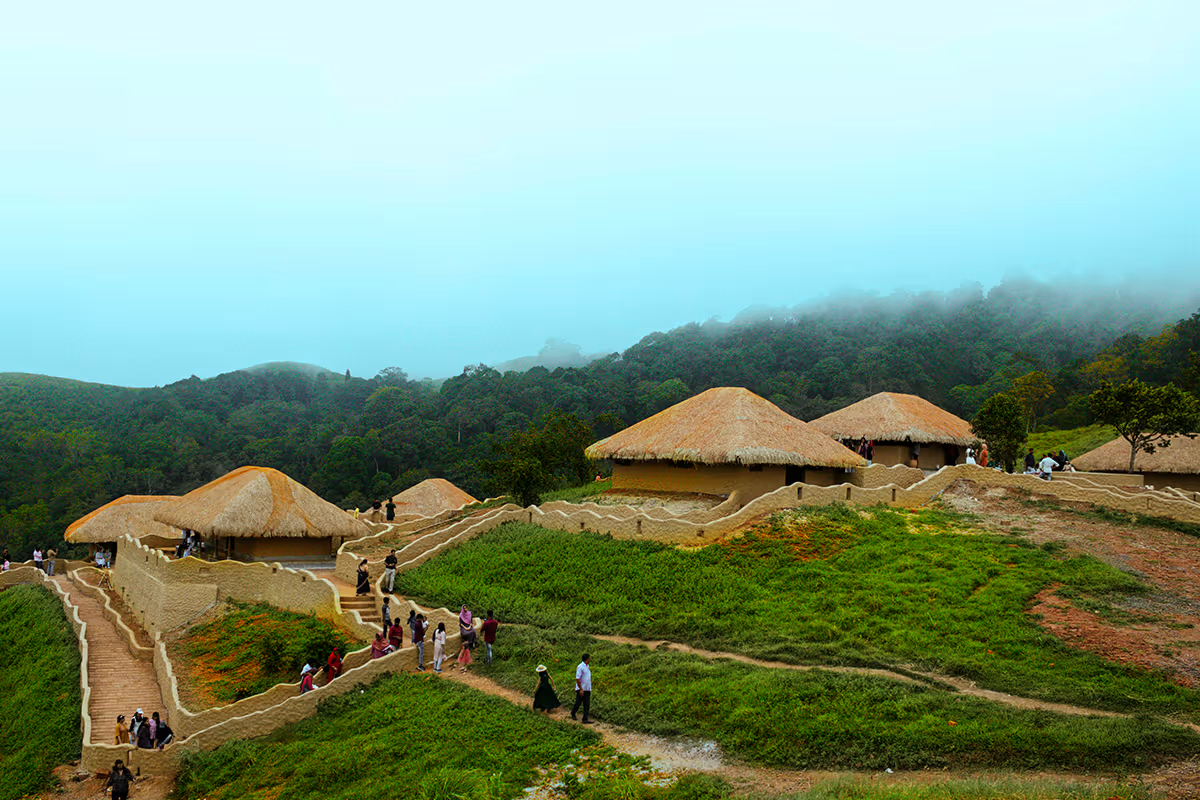
Rejuvenate your soul amidst lush backwaters, mist-covered hill stations, and ancient temple towns.
Rejuvenate your soul amidst lush backwaters, mist-covered hill stations, and ancient temple towns.
South India is a sensory journey through fragrant spice plantations, tranquil backwaters, and majestic palaces. Cruise the emerald canals of Kerala on a luxury houseboat, breathe in the fresh mountain air of Ooty, Coorg, and Munnar, and witness the royal heritage of Mysore. It is the perfect blend of wellness and discovery.
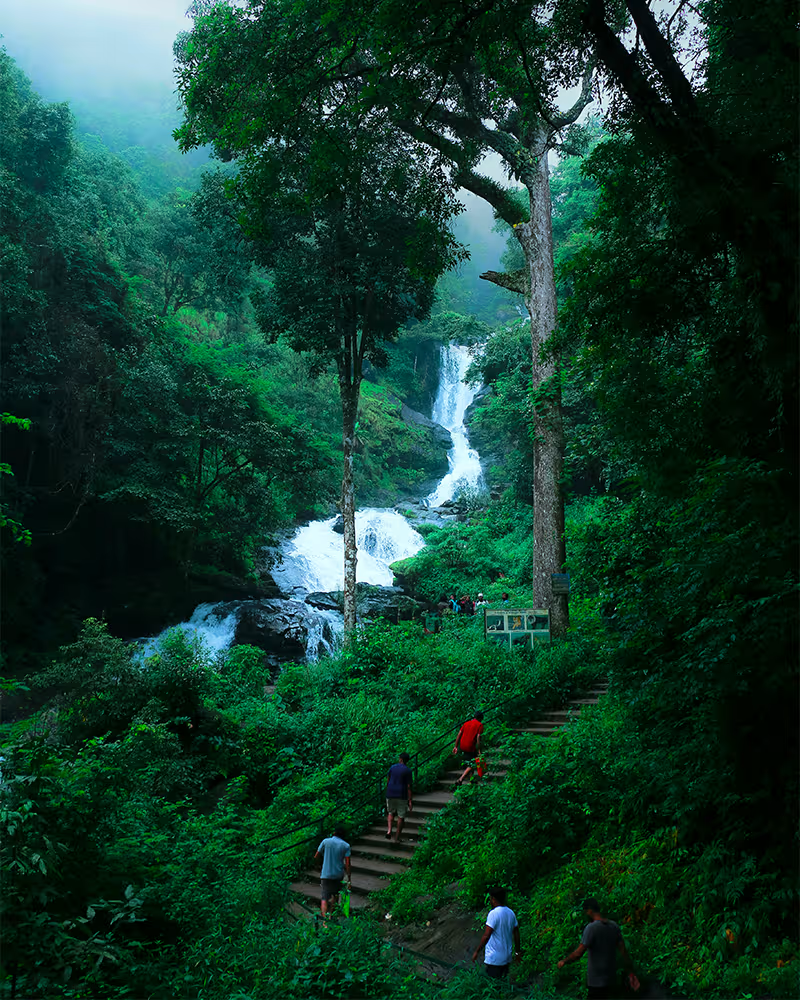
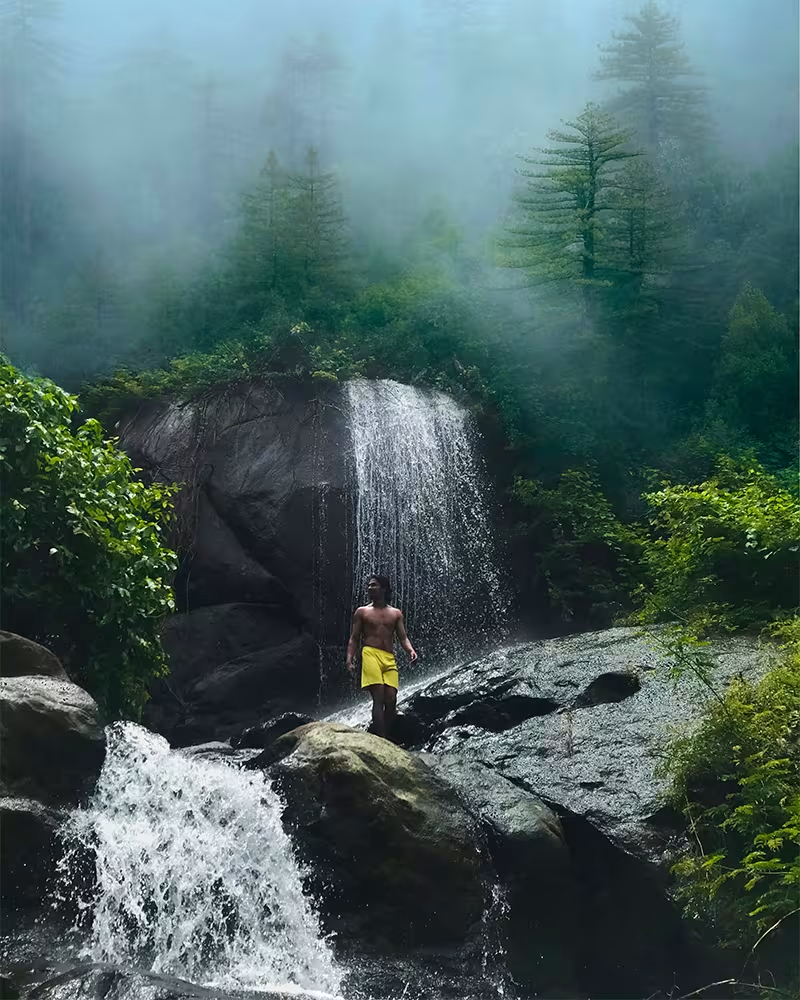
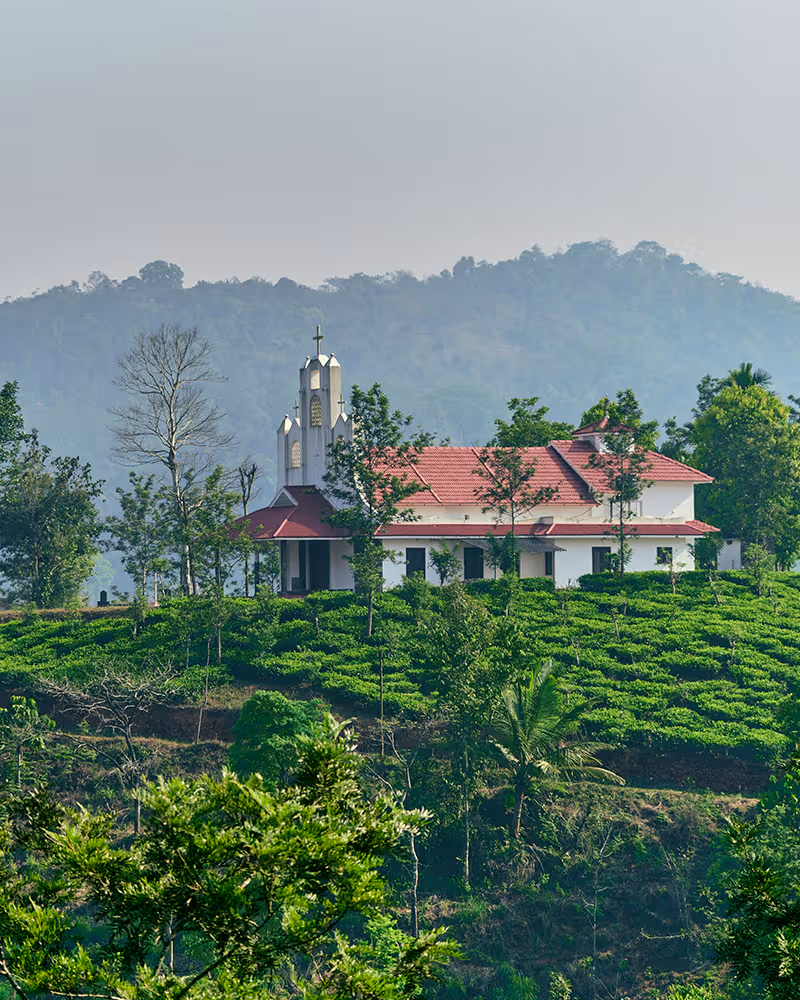


Glide through serene canals on a private, ultra-luxury houseboat with personal chefs. Rejuvenate at world-class Ayurvedic resorts surrounded by lush tropical forests. Explore opulent palaces and ancient temples.
Planning a trip to the southern peninsula requires understanding its distinct states. From navigating Kerala's backwaters to exploring the towering temple architecture of Tamil Nadu, we've gathered the most common questions travelers ask us to help you build the perfect itinerary.
A South India overview reveals a world entirely distinct from the north. It is defined by its deep-rooted Dravidian culture, ancient classical arts, and incredibly diverse geography. You will find sprawling coffee and tea plantations in the Western Ghats, intricate stone temples that have stood for millennia, and serene networks of coastal backwaters. The region operates at a generally slower, more relaxed pace, offering a deeply spiritual and ecologically rich travel experience.
The absolute best time to visit South India is during the winter months, from November to February. During this period, the intense tropical heat subsides, and humidity levels are low, making it perfect for exploring coastal cities, temples, and beaches. Summer (March to May) is exceptionally hot, though high-altitude hill stations remain pleasant. The monsoon (June to September) transforms the region into a lush green paradise, which is particularly famous for Ayurvedic wellness retreats in Kerala.
Given the massive geographical spread, ideal trip duration and itinerary planning are crucial. A comprehensive tour of Kerala alone requires 7 to 9 days to cover the hills, backwaters, and beaches. A dedicated Tamil Nadu temple and heritage circuit needs about 8 to 10 days. If you wish to combine highlights from Karnataka, Kerala, and Tamil Nadu into a single "Best of the South" trip, we recommend allocating at least 14 days.
A Kerala travel guide focuses on "God's Own Country," famous for its slow-paced ecotourism. A standard route usually begins in the historic port city of Kochi, winds up into the cool tea gardens of Munnar, descends into the wildlife sanctuaries of Thekkady, and culminates in a luxurious overnight stay on a traditional houseboat gliding through the Kumarakom or Alleppey backwaters.
A Tamil Nadu travel guide centers on monumental heritage and spirituality. It boasts some of the most spectacular, towering Dravidian temples in the world, such as the Meenakshi Temple in Madurai and the Brihadeeswarar Temple in Thanjavur. It also offers the French colonial charm of Pondicherry (Puducherry) and the southernmost tip of the Indian subcontinent at Kanyakumari.
A Karnataka travel guide highlights incredible variety. It ranges from the modern IT hub of Bengaluru to the hauntingly beautiful medieval ruins of Hampi, a UNESCO World Heritage site. Nature lovers flock to the coffee estates of Chikmagalur, while wildlife enthusiasts target the Nagarhole and Bandipur National Parks for tiger and elephant safaris.
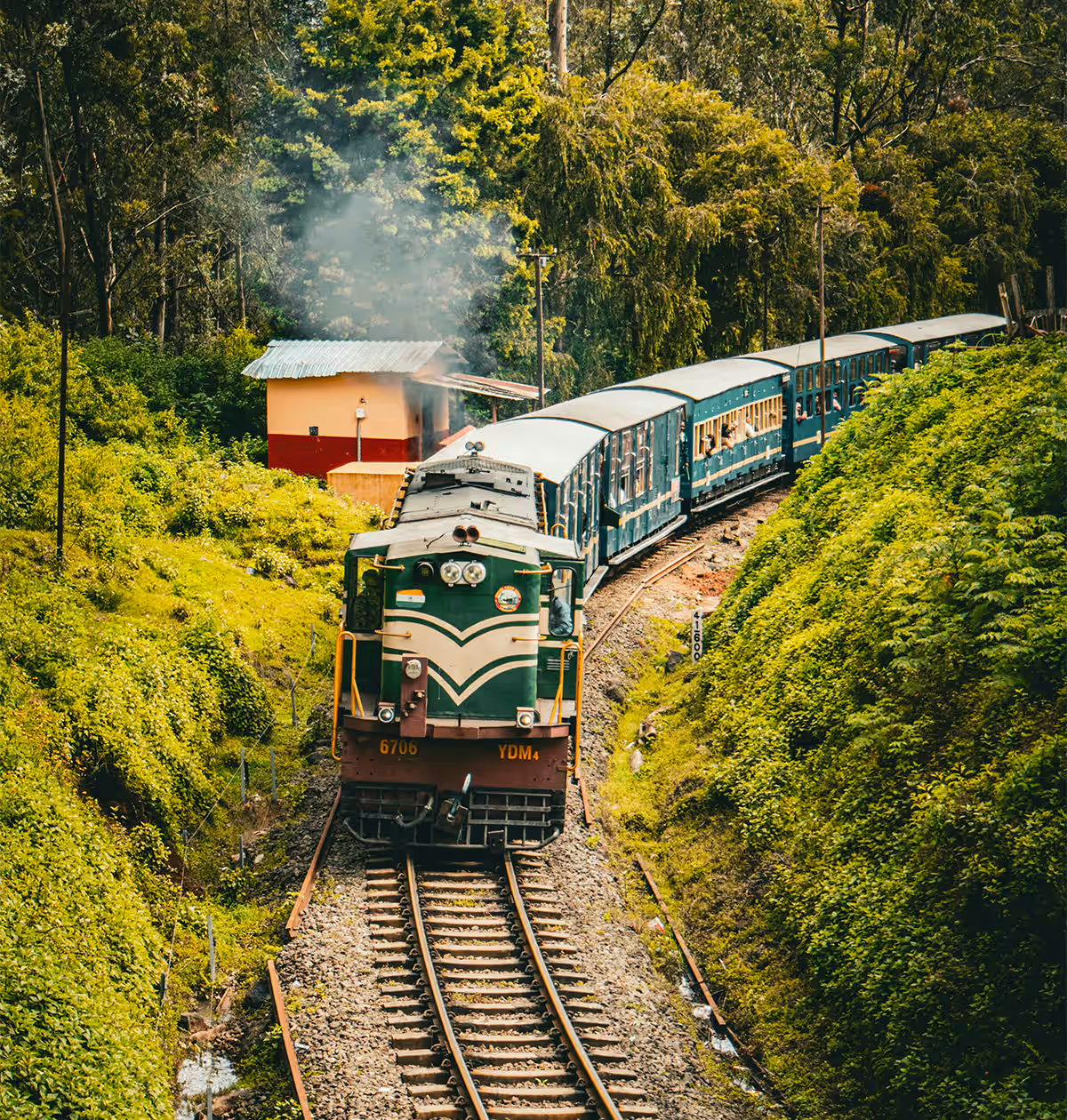
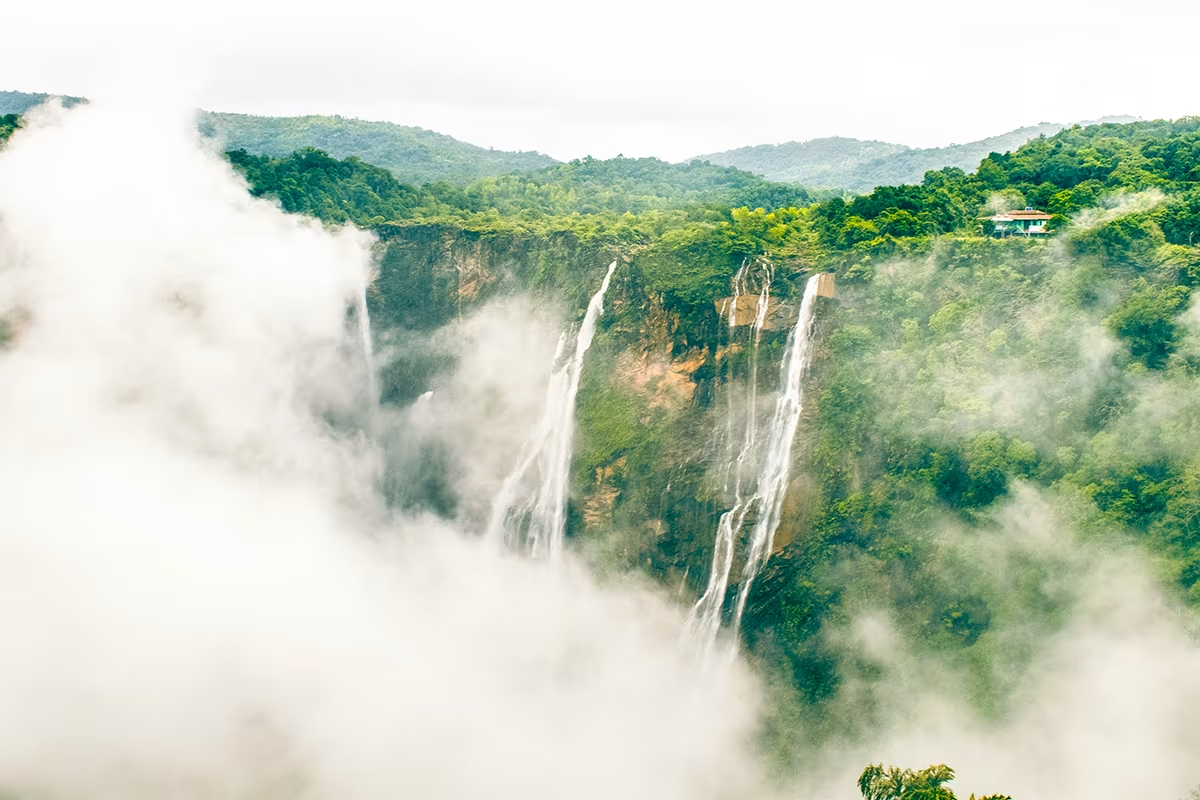
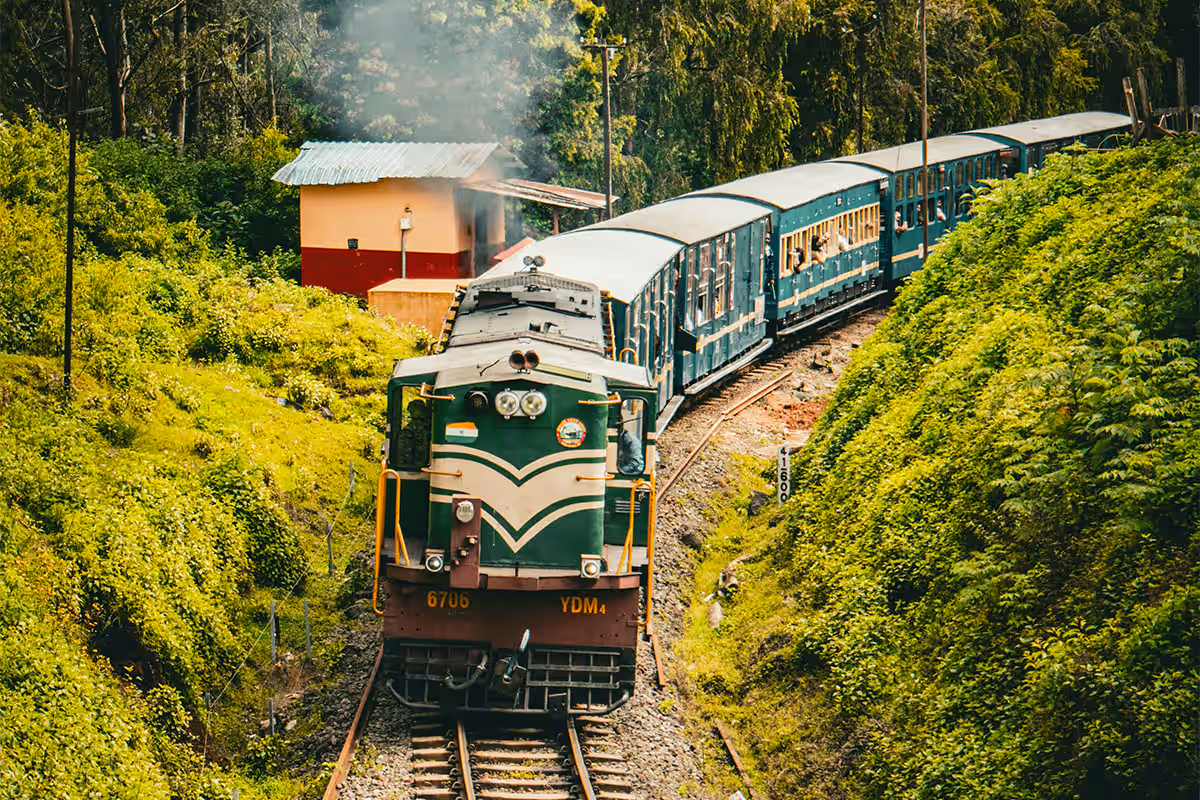
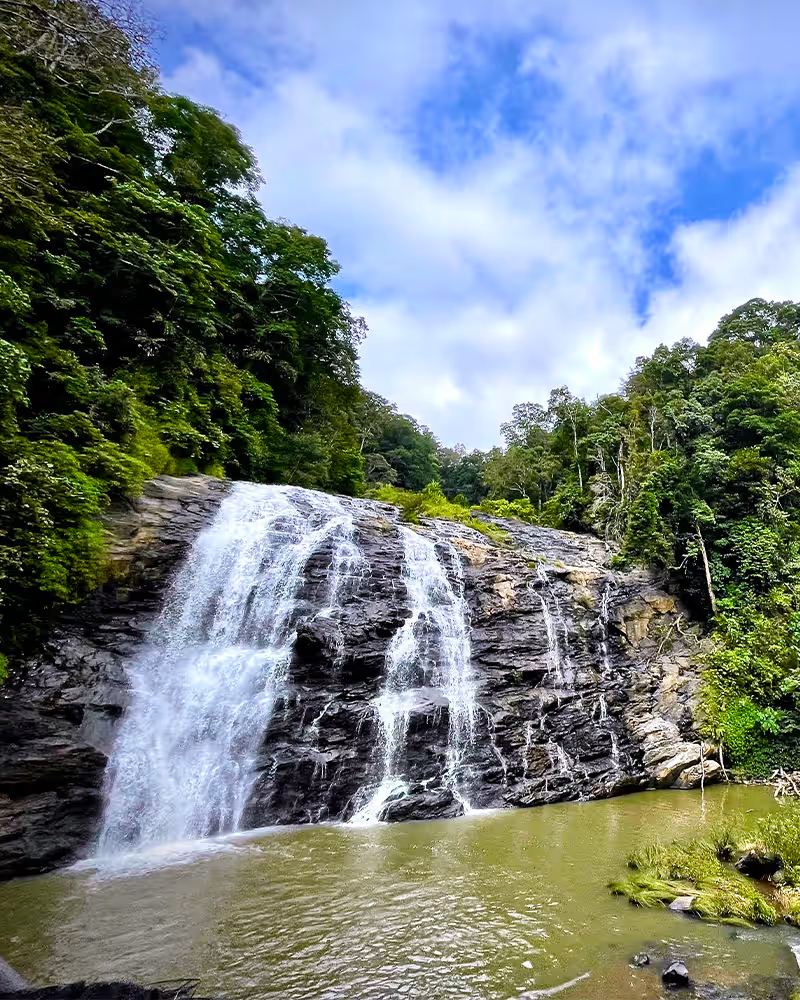
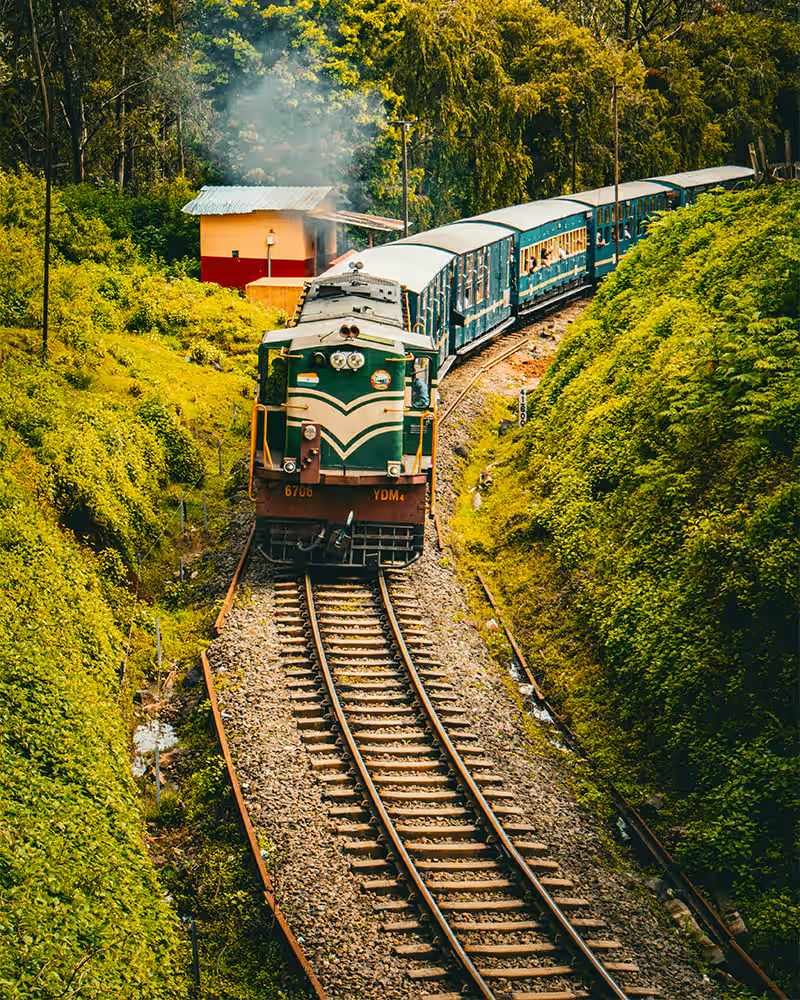
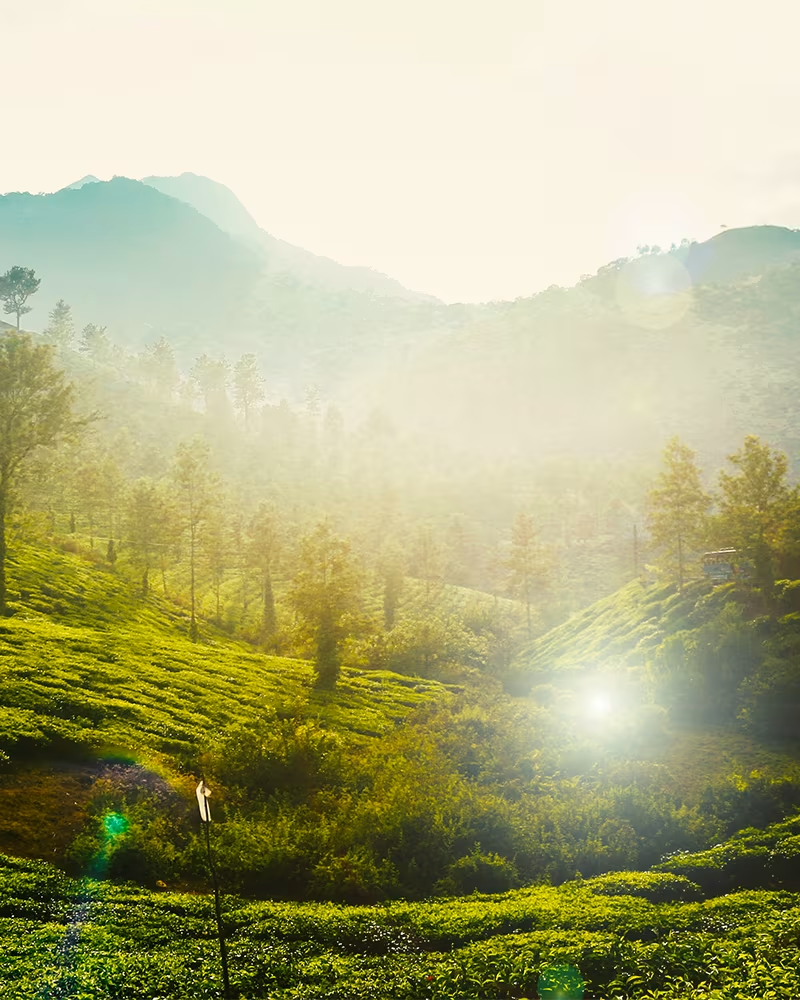
The Ooty, Coorg, and Wayanad experience takes you into the heart of the Western Ghats. Coorg (Karnataka) is known as the "Scotland of India," famous for dense coffee plantations and spices. Wayanad (Kerala) offers raw, untouched forests, waterfalls, and prehistoric caves. Ooty (Tamil Nadu) brings colonial nostalgia with its heritage mountain railway, botanical gardens, and sprawling tea estates.
Mysore travel information is vital because it is the cultural capital of Karnataka. The city is famous worldwide for the opulent Mysore Palace, which is breathtakingly illuminated at night. It is a major hub for purchasing authentic silk sarees, pure sandalwood products, and learning traditional Ashtanga yoga. It serves as the perfect gateway between Bengaluru and the hill stations of the Ghats.
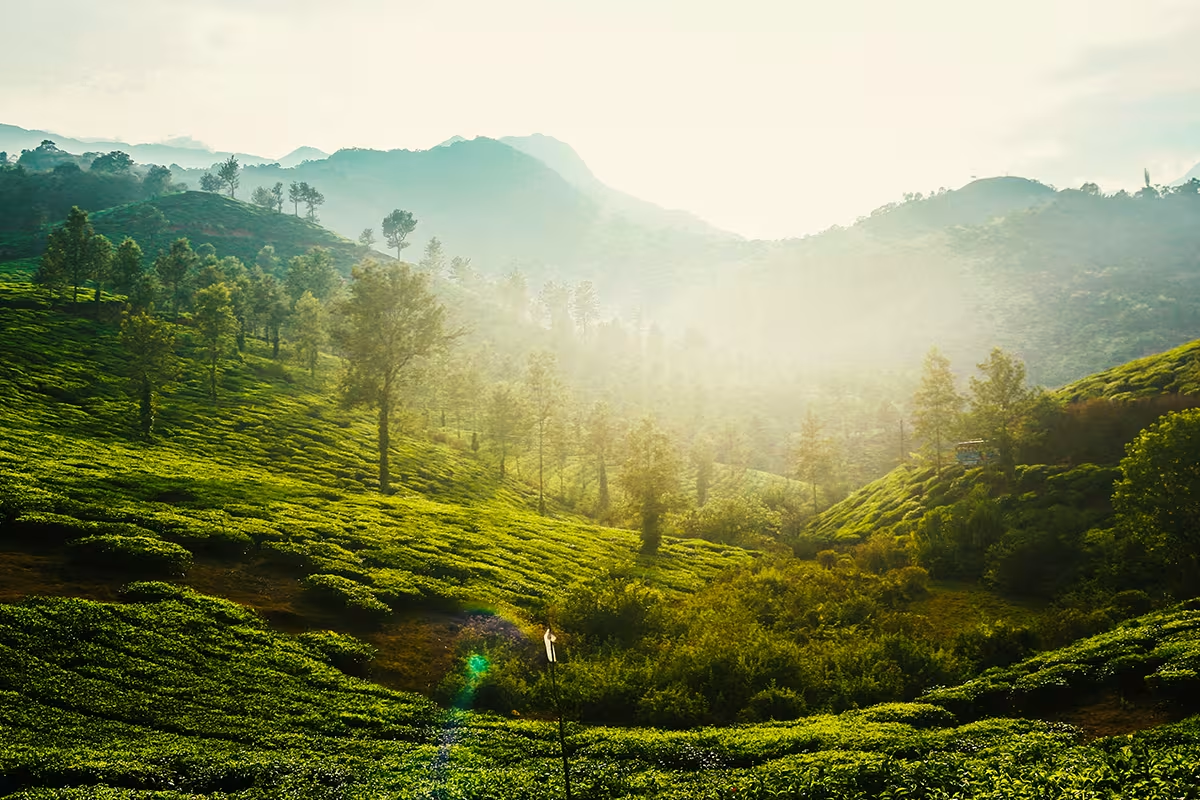
Yes, the hill stations in the South are vastly different from the Himalayas. Instead of snow-capped peaks and pine forests, southern hill stations like Munnar, Kodaikanal, and Coorg are characterized by rolling green meadows, dense Shola forests, and endless, manicured tea or coffee plantations. The altitude is lower, making the climate pleasantly cool rather than freezing, and oxygen levels remain entirely comfortable.
The beaches and backwaters offer distinct experiences. Beaches like Marari or Kovalam in Kerala provide classic coastal relaxation on the Arabian Sea, with active waves and sandy shores. The backwaters, however, are a vast network of calm, interconnected brackish lagoons and lakes. Backwater travel is done entirely by boat, offering a quiet, intimate look into rural village life along the water's edge.
Temples and culture are the lifeblood of the region, especially in Tamil Nadu and Karnataka. These are not merely historical monuments but massive, active centers of daily worship, classical dance, and music. The architecture features immense Gopurams (gateway towers) covered in thousands of colorful, intricately carved deities. Observing the elaborate evening rituals at these temples is a deeply moving cultural experience.
Absolutely. Family trips to South India are highly popular due to the excellent tourism infrastructure, high safety standards, and excellent hygiene. The region offers a mix of educational heritage sites, easy wildlife safaris, and relaxing beach resorts. The flat terrain of the coastal areas and the gentle slopes of the hill stations make it perfectly suited for multi-generational travel, including young children and seniors.
Honeymoon and couple trips thrive in South India because it offers world-class luxury and deep privacy. A private houseboat cruise through the Alleppey backwaters is considered one of the most romantic experiences in Asia. Additionally, boutique plantation retreats in Coorg or Wayanad provide secluded luxury with private plunge pools, couples' Ayurvedic spa therapies, and candlelit dinners overlooking misty valleys.
Monsoon travel (June to September) is celebrated rather than avoided, particularly in Kerala. The torrential rains wash the landscape, making the tea estates incredibly vibrant. More importantly, the cool, moist monsoon climate is traditionally considered the ideal time for deep Ayurvedic therapies and detox programs, as the body's pores are most receptive to herbal oils. However, beach activities and swimming are suspended due to rough seas.
Winter travel (November to February) is the peak tourist season because the weather is flawless. The coastal humidity drops significantly, making daytime temple tours and city walks in places like Chennai or Madurai comfortable. The hill stations require light jackets in the evenings, but the days are bright and sunny, providing perfect conditions for wildlife safaris and outdoor exploration.
Road conditions and transportation are among the best in India. National highways connecting major cities in Tamil Nadu, Karnataka, and Kerala are generally excellent, multi-lane toll roads. The train network is robust and highly reliable. For tourists, hiring a private air-conditioned cab with an English-speaking driver is the standard, most comfortable way to navigate the region, especially when moving between hill stations and coastal towns.
Food and local culture revolve around rice, lentils, coconut, and tamarind. Unlike the heavy wheat and dairy-based dishes of the north, southern food is lighter but heavily spiced. You must try the classic Masala Dosa, fluffy Idlis, and the elaborate "Sadya" (a vegetarian feast served on a banana leaf) in Kerala. Coastal areas are also famous for incredibly fresh, fiery seafood curries cooked in coconut milk.
Safety and first-timer tips highlight preparation. South India is extremely safe, and English is widely spoken and understood everywhere, removing the language barrier often felt in the north. Always carry modest clothing—temples enforce strict dress codes requiring covered shoulders and legs, and men may sometimes be asked to remove their shirts to enter the inner sanctum. Always stay hydrated with bottled water in the tropical heat.
The winter months (November to February) offer pleasant, cool weather. The monsoon season (June to August) is highly recommended for Ayurvedic treatments.
We exclusively book premium and luxury air-conditioned houseboats featuring private decks, en-suite bedrooms, and dedicated staff.
Yes, South India is extremely family-friendly, offering diverse experiences from wildlife sanctuaries in Periyar to relaxing beach resorts.
Leave us your details, and our regional specialists will design a custom itinerary that perfectly matches your travel style and pace.