Menu
Destinations
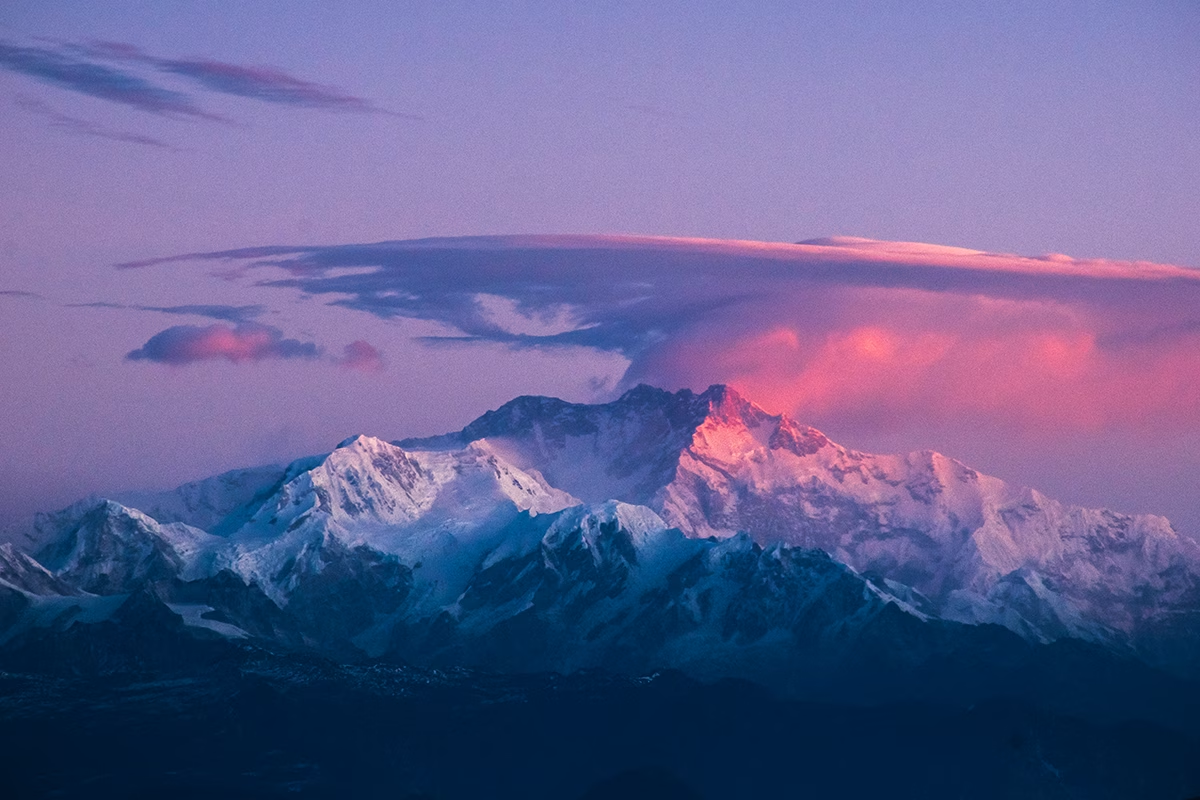
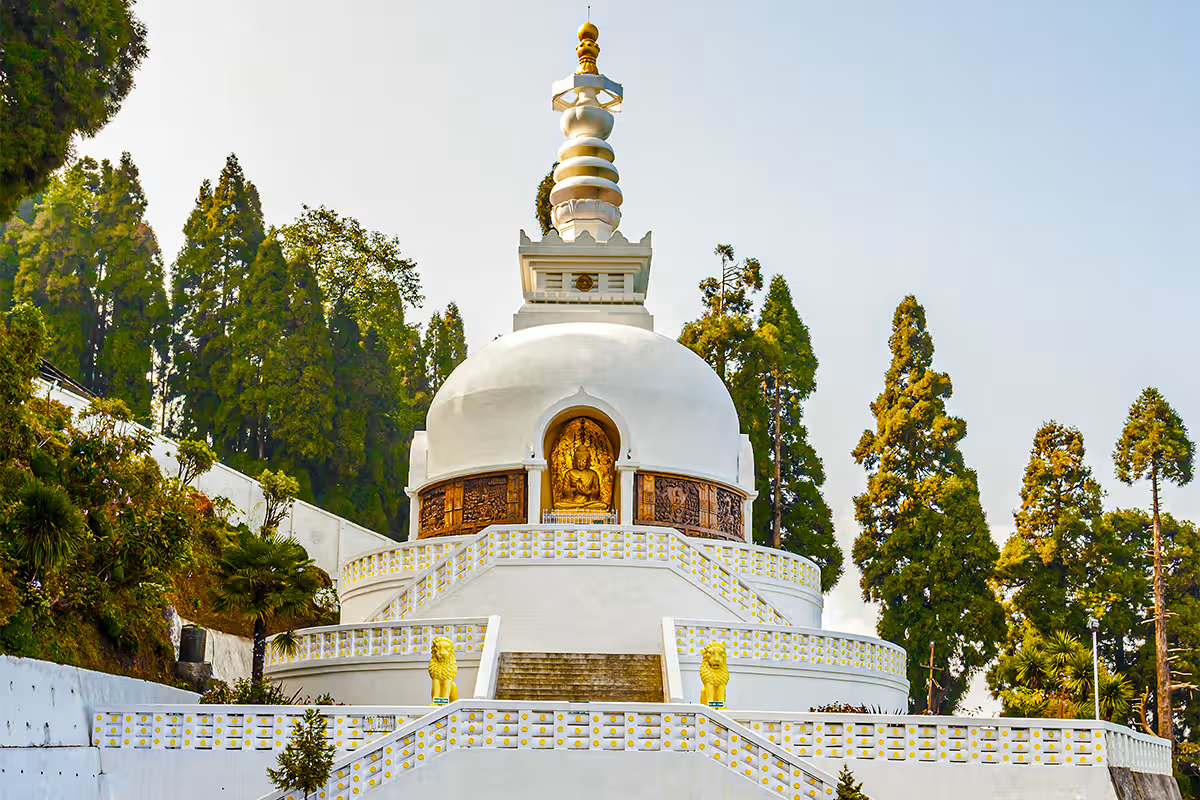
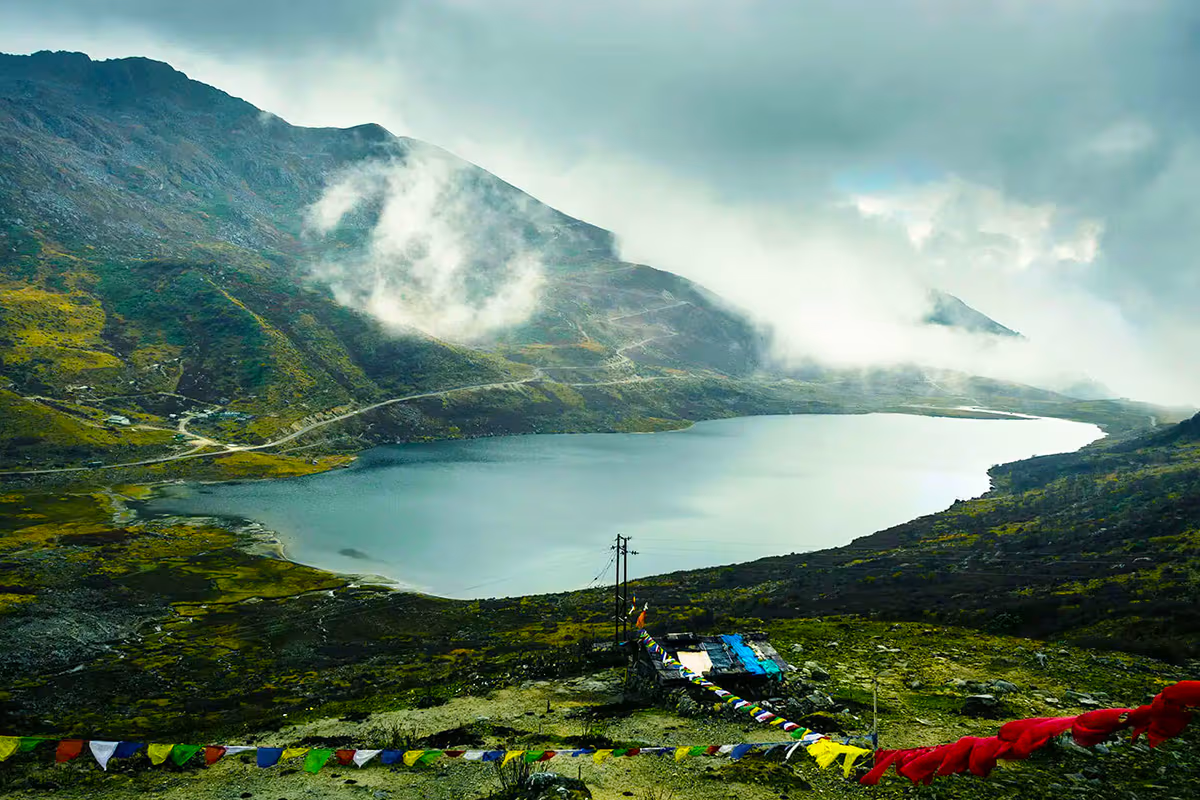
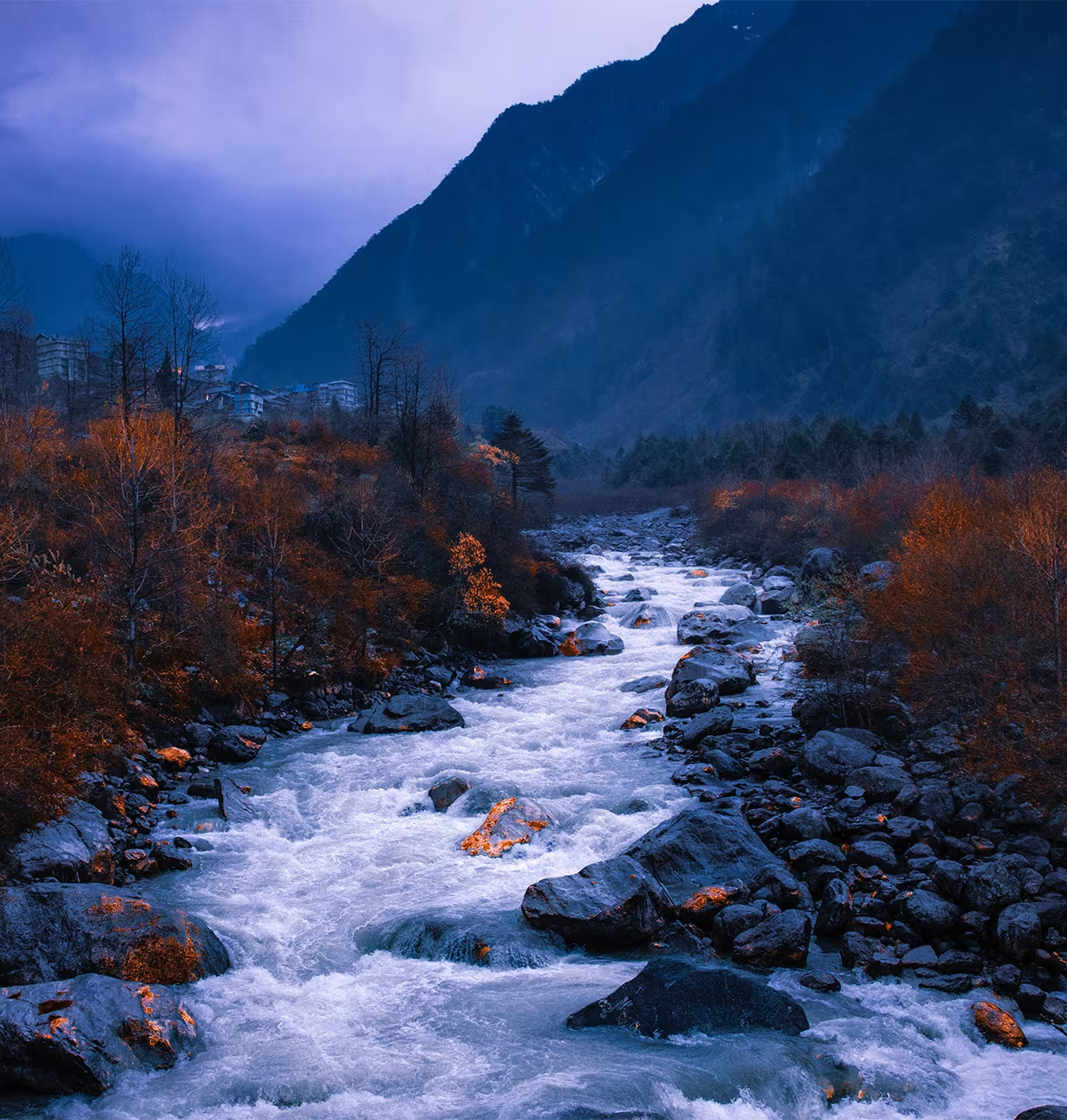
Discover frozen lakes, ancient monasteries, lush tea gardens, and the breathtaking views of Mt. Kanchenjunga in this mystical land.
Discover frozen lakes, ancient monasteries, lush tea gardens, and the breathtaking views of Mt. Kanchenjunga in this mystical land.
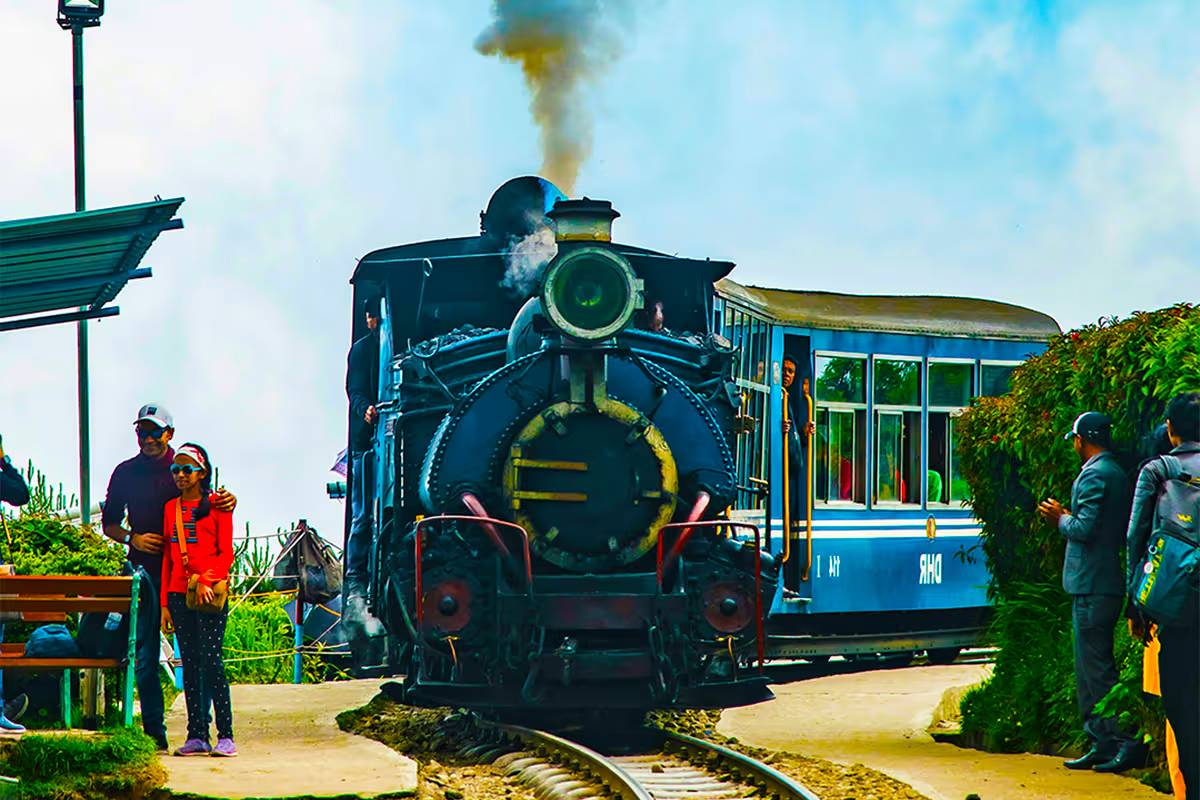
From the winding roads of Gangtok to the misty tea estates of Darjeeling, this region offers an unparalleled blend of alpine adventure and colonial charm. Witness the sunrise over Kanchenjunga from Tiger Hill, ride the historic Toy Train, and find peace in ancient Buddhist monasteries.
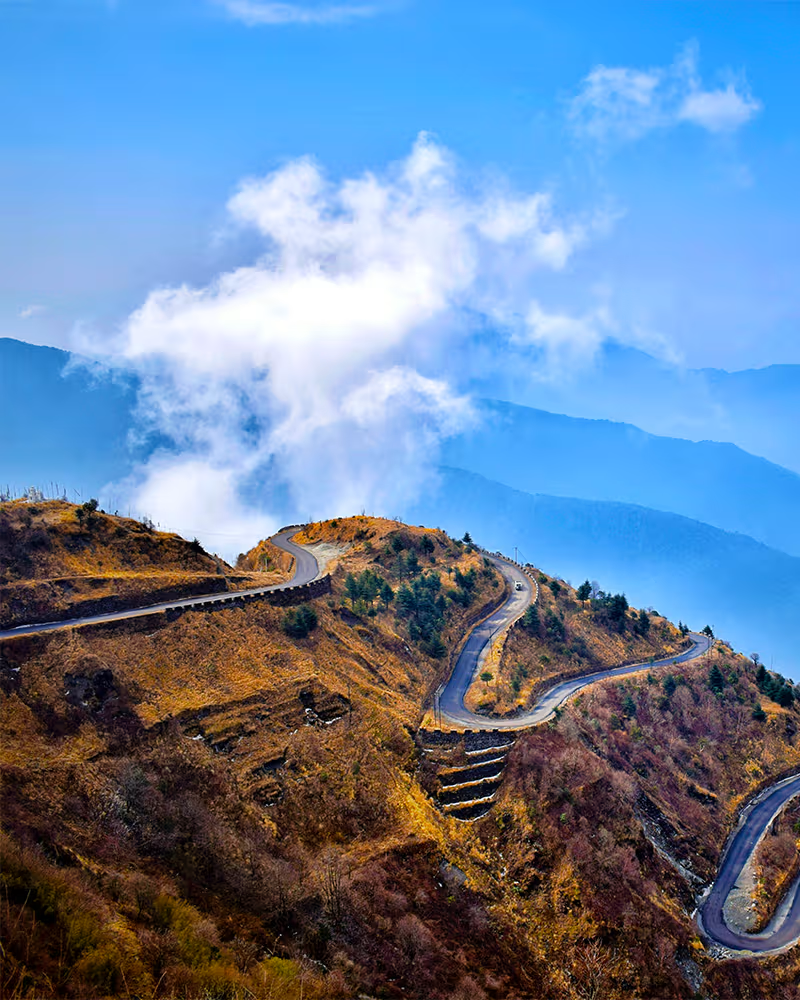
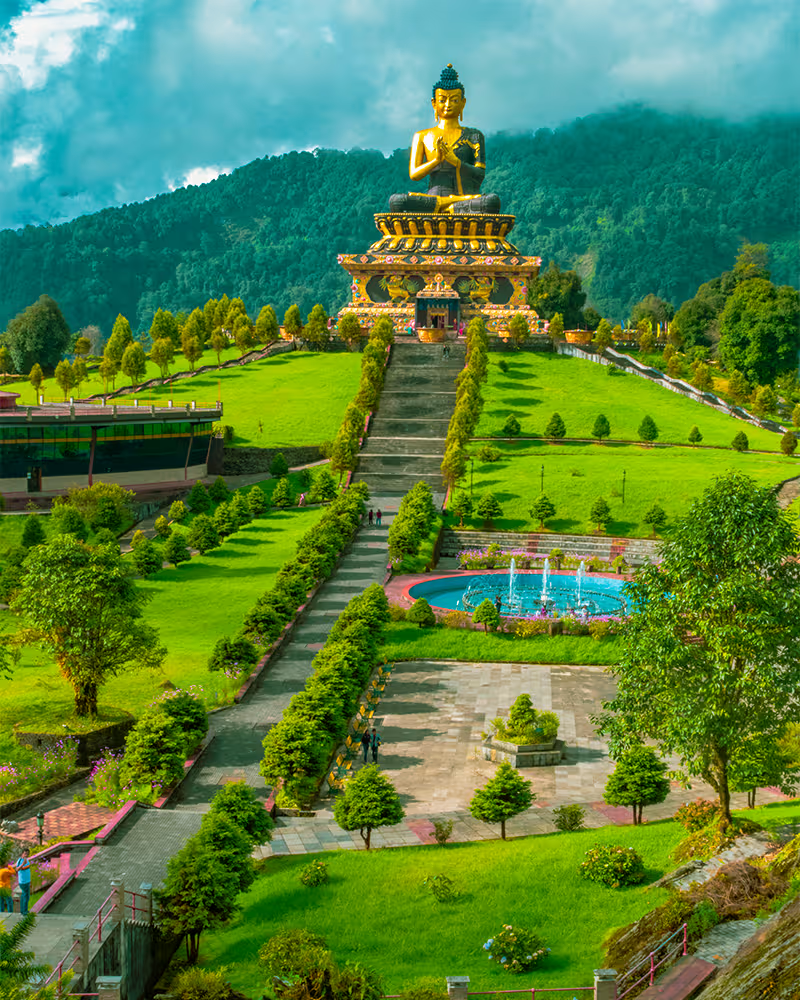
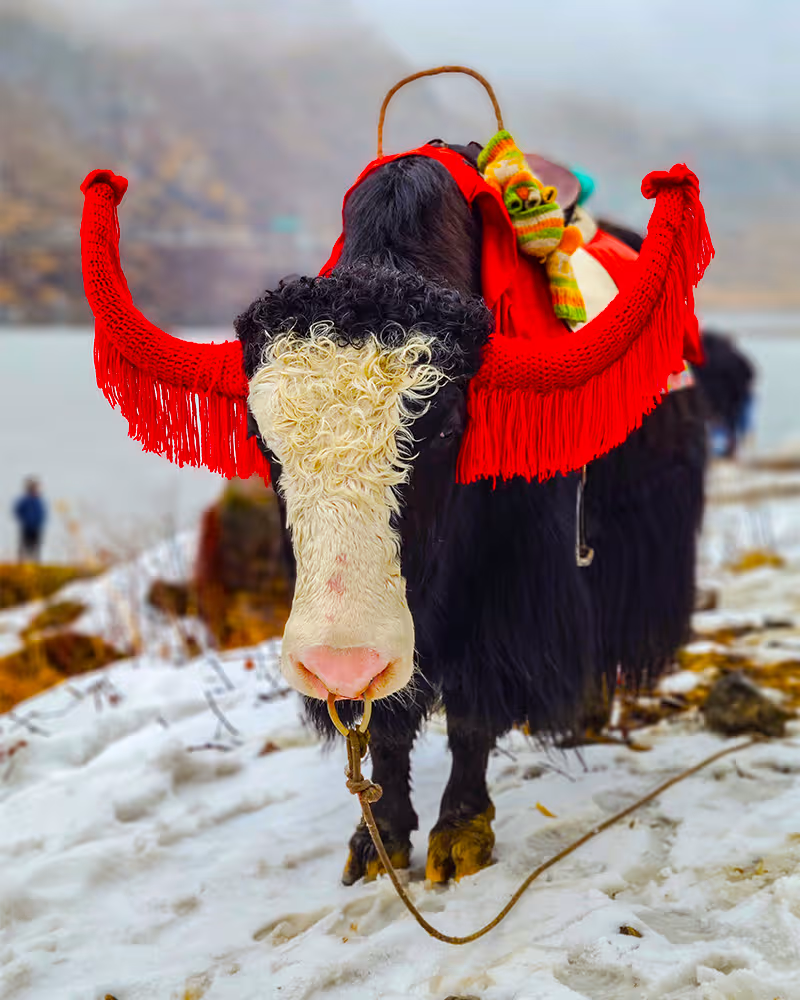
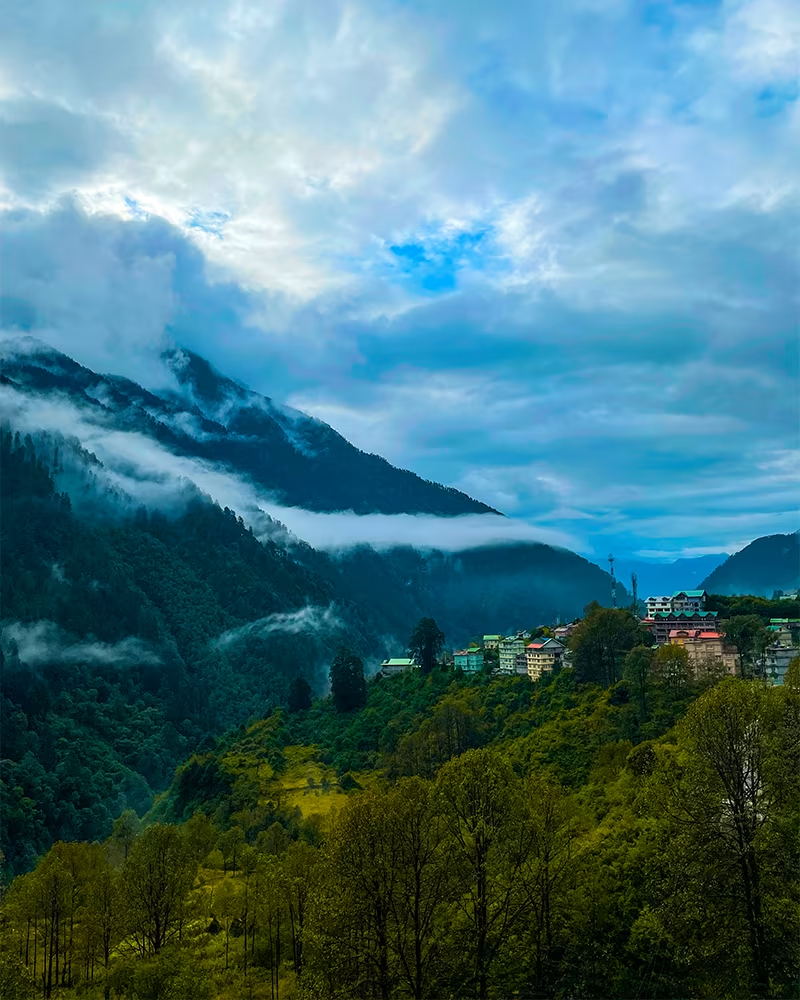
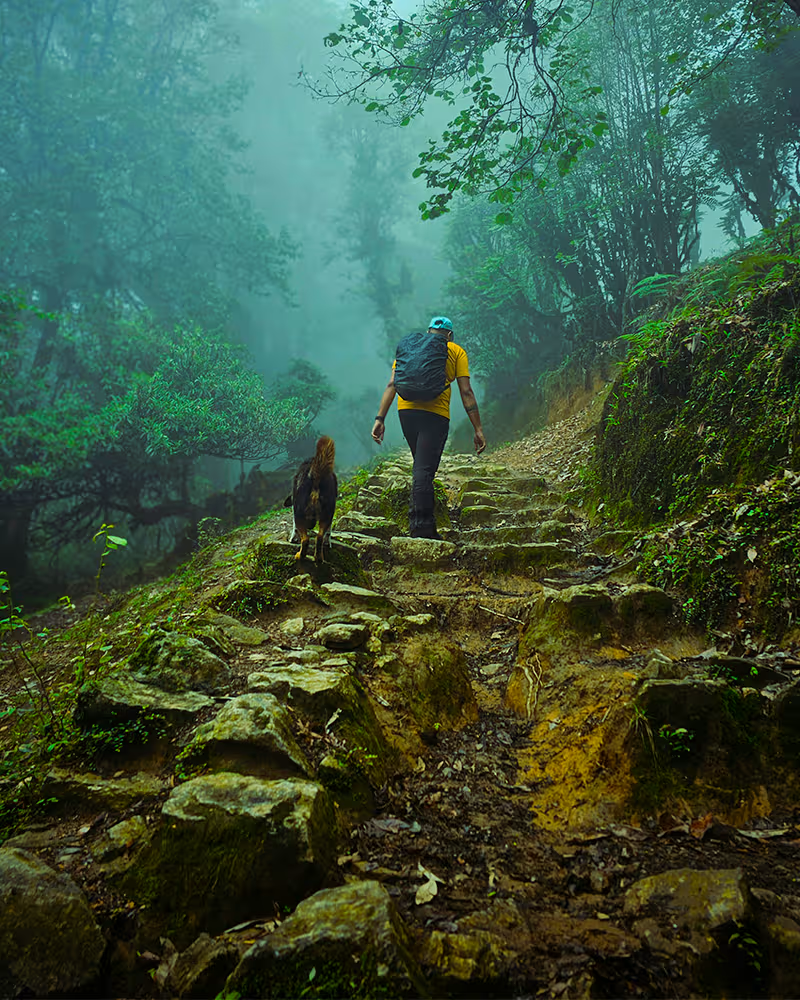
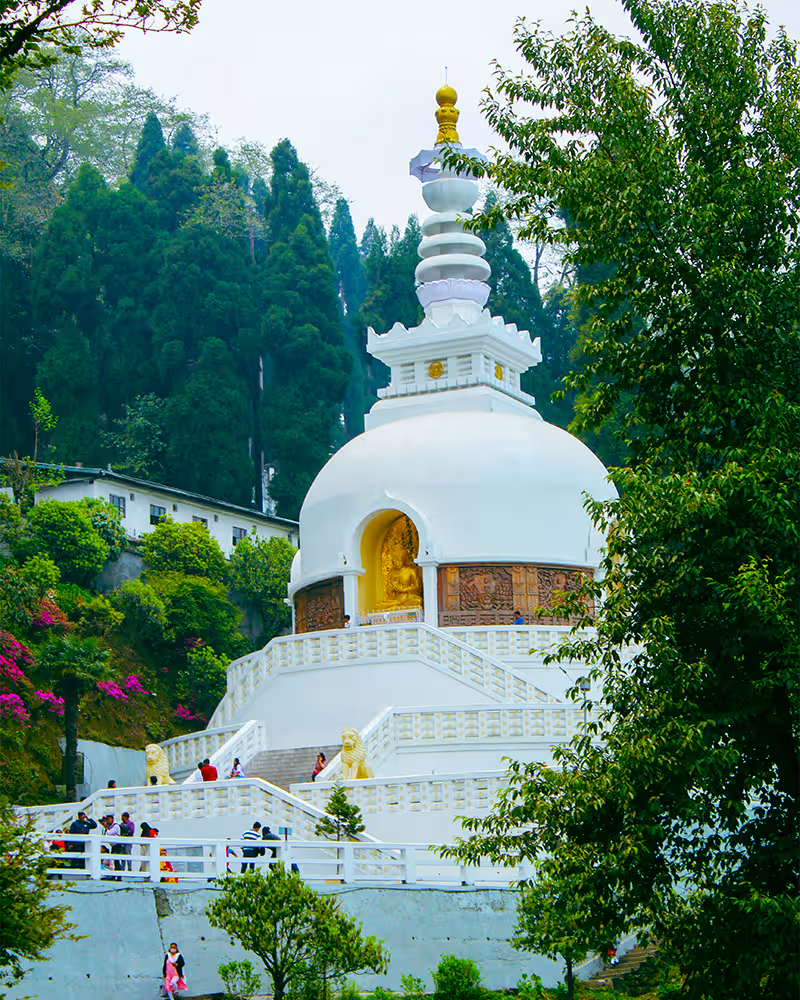
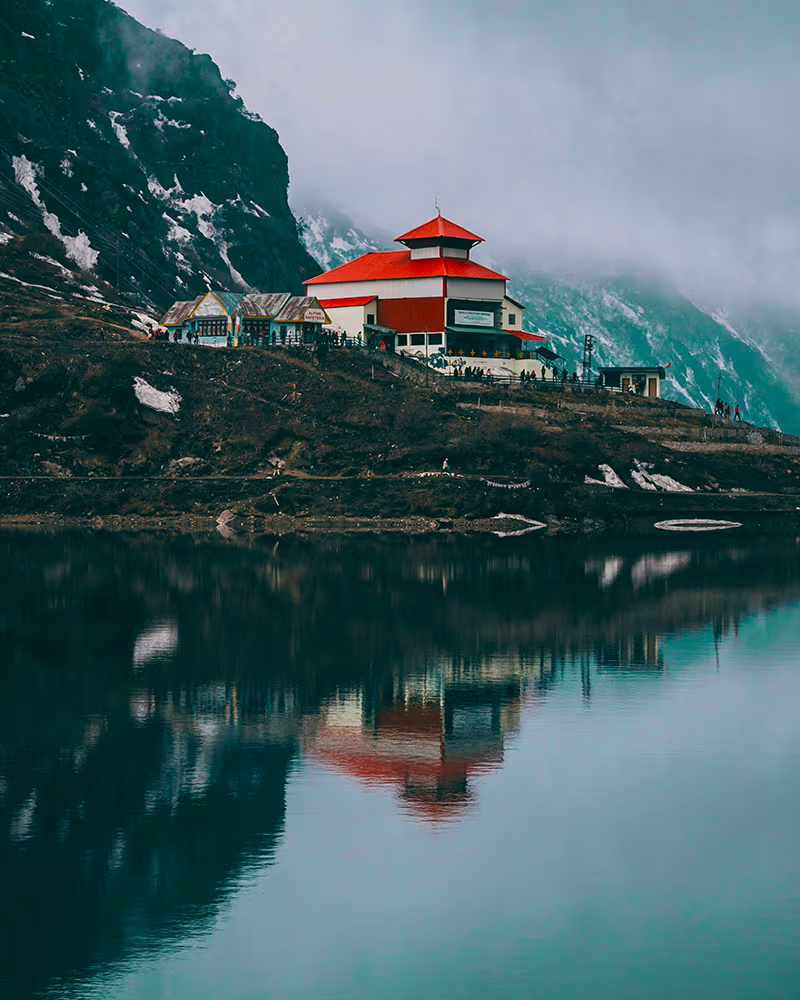


Embark on an unforgettable journey to the heart of the Eastern Himalayas. From the serene landscapes of Sikkim to the vibrant hills of Darjeeling, we curate experiences that blend adventure, culture, and luxury.
Planning a trip to the Eastern Himalayas requires a bit of local insight. Below, we've gathered the most common questions travelers ask us to help you build the perfect itinerary and understand exactly what makes this region so special.
Sikkim is renowned for its dramatic alpine landscapes, pristine glacial lakes, and the towering presence of Mount Kanchenjunga. Darjeeling, affectionately known as the "Queen of the Hills," is globally famous for its sprawling tea estates and the historic Darjeeling Himalayan Railway. Together, they offer an unforgettable blend of high-altitude adventure in places like Yumthang Valley and relaxed hillside charm in colonial Darjeeling.
For a comprehensive experience that covers both destinations without feeling rushed, 6 to 8 days is ideal. A typical 7-day itinerary allows you to spend 2 nights exploring Darjeeling and 4 to 5 nights in Sikkim. This gives you ample time to acclimate in Gangtok, visit high-altitude spots like Tsomgo Lake, and take a multi-day excursion into North Sikkim to experience the stark beauty of Lachung and Lachen.
The most popular times to visit are during the spring (March to May) and autumn (October to mid-December). Spring brings vibrant blooms of rhododendrons across the Yumthang Valley, while autumn offers the clearest, most unobstructed views of the Himalayan peaks. Winter brings heavy snowfall, transforming areas like Zero Point into a winter wonderland, though some high-altitude roads may become temporarily inaccessible.
The most convenient way to reach the region is by flying into Bagdogra Airport (IXB) in West Bengal, which connects to major Indian cities. Alternatively, you can take a train to New Jalpaiguri Railway Station (NJP). From either Bagdogra or NJP, both Darjeeling and Gangtok are accessible via a scenic 3 to 4-hour drive up the mountains.
Yes, Sikkim receives heavy snowfall during the winter months, typically from late December to February. High-altitude destinations like Nathula Pass, Tsomgo Lake, Lachung, Lachen, and Zero Point are transformed into stunning winter wonderlands. Lower-altitude areas like Gangtok rarely receive snow, remaining cold but accessible throughout the season.
Absolutely. Nathula Pass is one of the highest motorable roads in the world at over 14,140 feet, offering a rare opportunity to see the Indo-China border up close. The journey itself is breathtaking, often combined with a stop at the sacred Baba Mandir. Because of the high altitude, it’s best visited after you've spent a day or two acclimatizing in Gangtok. Note that the pass is closed to visitors on Mondays and Tuesdays.
Indian nationals do not need a permit to enter Sikkim, but special Restricted Area Permits (RAP) or Protected Area Permits (PAP) are required to visit border areas. This includes popular excursions to Tsomgo Lake, Nathula Pass, Baba Mandir, and all of North Sikkim (including Lachen, Lachung, and Zero Point). Foreign nationals require an Inner Line Permit (ILP) to enter the state, alongside additional permits for specific regions.
Yes, it is highly family-friendly. Darjeeling and Gangtok offer comfortable accommodations, gentle walking areas like the pedestrian-only MG Marg, and enjoyable activities like the Toy Train. However, if you are traveling with infants or elderly family members, we recommend skipping extreme high-altitude areas like Zero Point or Nathula Pass to avoid the risk of acute mountain sickness.
It is widely considered one of India's premier romantic destinations. The crisp mountain air, cozy tea-estate resorts, and peaceful monastery walks create a deeply memorable atmosphere. Watching the sunrise illuminate Mount Kanchenjunga from Tiger Hill in Darjeeling is a quintessential experience for couples and honeymooners.
Trip costs vary widely based on your travel style. A Budget trip focuses on standard stays and shared transport, keeping costs very accessible. Comfort itineraries offer reliable 3-star accommodations and dedicated vehicles for a smooth experience. Premium packages upgrade to 4-star boutique properties with prime views, while Luxury journeys feature 5-star heritage resorts, luxury private transport, and highly personalized service. Costs generally include accommodation, breakfasts, dedicated transport for the hilly terrain, and necessary border permits.
First-time visitors should prioritize the sunrise from Tiger Hill, strolling through the vibrant MG Marg in Gangtok, and taking a day trip to the stunning, high-altitude Tsomgo Lake. If time permits, venturing into North Sikkim to see the flower-filled Yumthang Valley or the snow-covered expanse of Zero Point will elevate your trip into a truly once-in-a-lifetime adventure.
The best time to visit Sikkim and Darjeeling is during the spring months (March to May) and post-monsoon season (September to November). During these periods, the weather is pleasant, skies are generally clear, and you can enjoy stunning views of the Himalayas.
Yes, Sikkim is considered one of the safest states in India for tourists, with very low crime rates and a friendly local population.
Yes. We offer a range of premium mountain-view hotels, boutique resorts, and luxury stays across Gangtok, Pelling, and Darjeeling. From heritage tea-estate properties in Darjeeling to premium Himalayan resorts with Kanchenjunga views, we can customize accommodations based on your comfort and budget preferences.
Yes, a permit is required for Nathula Pass, and we will assist you with the necessary documentation and processing. Please note that permits are subject to availability and can only be organized 72 hours in advance.
Yes, absolutely! We specialize in creating tailor-made Sikkim and Darjeeling itineraries that match your interests, budget, and travel style. Whether you want more time in the mountains, specific cultural experiences, or adventure activities, we can design a personalized trip just for you.
Leave us your details, and our regional specialists will design a custom itinerary that perfectly matches your travel style and pace.